
Have A Case? Call Us
1 888-536-6671
60 Second Lemon Law Assessment™
60 Second Lemon Law Assessment™
by Kahn & Associates - July 6th, 2026
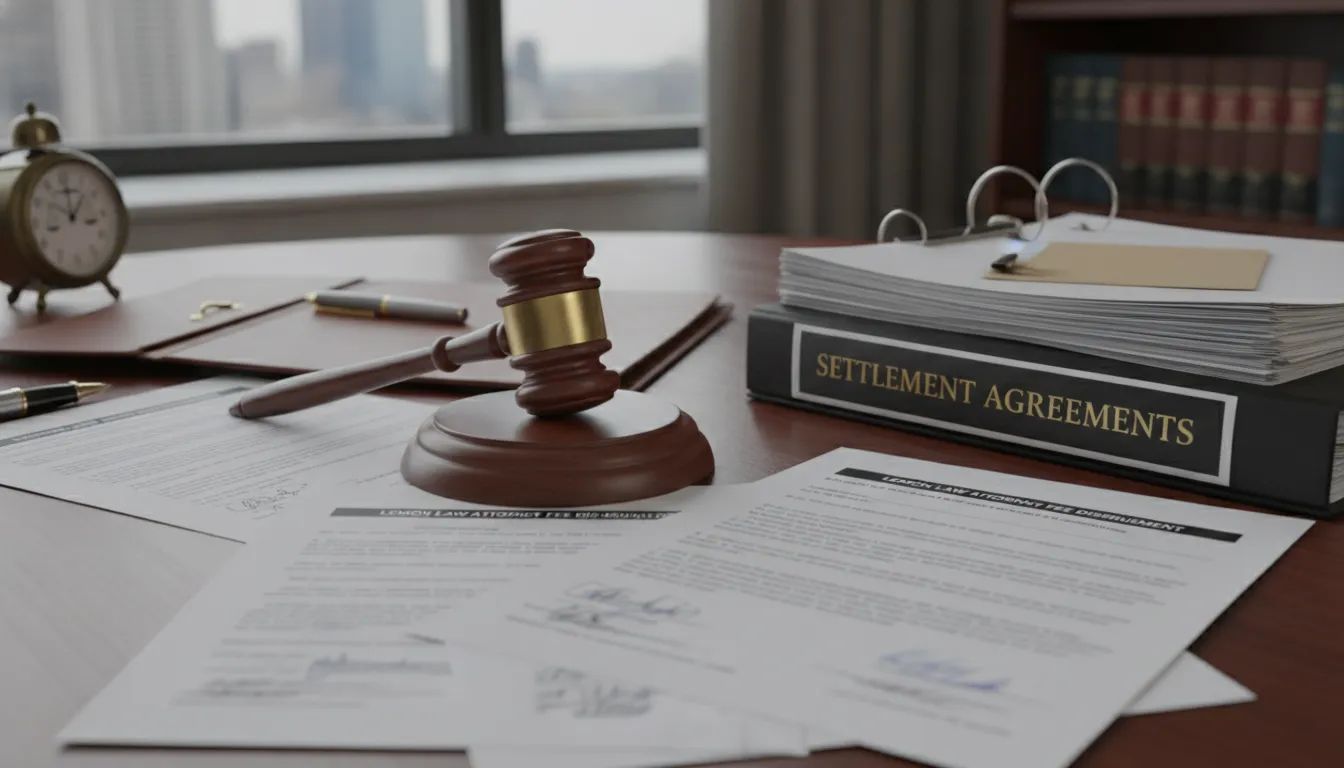
Lemon laws are mostly designed so that fighting a big car company doesn’t cost you a single cent out of your own pocket. Most people worry about legal bills, but lemon laws typically protect you from these costs.
Call us today at (888) 536-6671 for a free consultation and let our team handle your lemon law claim at no cost to you.
Manufacturer paid attorney fees is a consumer protection rule in some laws that makes car manufacturers cover your lawyer’s bill. This rule is designed for you to be able to keep your full recovery while your lawyer is paid an additional amount for fees and sometimes costs by the car maker. These fee shifting provisions can allow car owners to enforce their rights without any financial risk. This protection means you can hire a professional firm like Kahn & Associates to fight for you without having to pay a single dollar out-of-pocket.
In most cases, these fees are negotiated between both sides before a lawsuit is ever filed or a verdict is rendered in court. When you win a case, the judge typically decides the fees. You might wonder how these payments happen without a judge making a ruling in a courtroom. Understanding the difference between a settlement and a court order is the first step to knowing your rights.
The most common fear people have when hiring a lawyer is the cost. Some law firms in different types of cases can charge high hourly rates or take a large percentage of your final check. Lemon law is different. Both state and federal laws typically use a rule called fee-shifting. This rule means the person who made your bad car may have to pay your legal bills. In most cases, manufacturer paid attorney fees are added on top of what you get for the car itself. In some cases, the settlement will involve a lump sum cash amount that includes attorney’s fees, where the contract between you and your law firm will dictate the fee amount. The key benefit of these laws is that some lemon law firms can agree to represent you and you don’t pay a dime from your own pocket, win or lose.
Lawmakers built fee-shifting into lemon laws to help regular people. If you had to pay a lawyer by the hour, it might cost more than the car is worth. Most people cannot afford to fight a huge car company alone. Fee-shifting levels the playing field. It lets you get top legal help without taking any risk with your own money. This model ensures that car companies cannot just wait you out until you run out of cash to pay your lawyer.
When you win your case, the car maker may have to pay for the reasonable time your lawyer spent working on it. This is very different from a personal injury case. In those cases, a lawyer might take one-third or more of your money. With lemon law, you typically keep the full amount for your recovery. These manufacturer paid attorney fees are a separate part of the deal. In some cases, the settlement will involve a lump sum cash amount that includes attorney’s fees, where the contract between you and your law firm will dictate the fee amount.
There are two main types of law that cover legal fees. Most state lemon laws are very strict. They say the court “shall” award fees if you win. This means the judge must order the car company to pay. The federal law is called the Magnuson-Moss Warranty Act. This law is a bit different because it says the court “may” award fees. While most judges still grant them, the word “may” gives the court more choice than the word “shall” does in state laws.
Even with these rules, most cases do not go to a full trial. Most lemon law claims end in a negotiated settlement. In these deals, the fees are not ordered by a judge. Instead, the fees are agreed upon by both sides as part of the total deal. This is why it can be helpful to use an experienced and successful lemon law firm.
Some people think fee-shifting is the same as a contingency fee, but they are not the same. In a standard contingency model, the lawyer gets a percentage cut of the client’s money. In a fee-shifting model, the lawyer’s pay comes directly from the other side.
With these manufacturer paid attorney fees, you can hold a big company to their promises. You do not have to worry about how many hours a lawyer needs to spend on your file. Your focus stays on getting a safe, working car or getting your money back. The law helps make sure that the cost of your justice is the car maker’s bill to pay, not yours.
Many people think a judge must order a car maker to pay legal fees. While this happens in court, it is not how most cases end. Most lemon law claims finish with a negotiated settlement. In these deals, the two sides agree on the fee amount without a judge. Knowing how this works helps you see your lemon law settlement costs. Most of these deals happen before a lawsuit is even filed.
Wondering if your situation qualifies? Contact us or call 216-621-6101 to find out if you have a valid lemon law claim.
The main difference between negotiated settlements and court-awarded fees is who sets the amount. In a settlement, both sides agree on a fair fee as part of the overall deal. In a court award, a judge decides after a full trial. Most lemon law cases end in settlements because manufacturers prefer to avoid the expense of a trial, and consumers get their money much faster.
When you have a lemon, the law is on your side. Car makers know that if they lose in court, they may have to pay your lawyer. This gives them a strong reason to talk to your team early.
In a settled deal, the car maker and your lawyer negotiate a fair resolution agreed to by both sides. The attorney fees paid by the manufacturer are part of the final settlement agreement. They are not a court order. This path is often faster for everyone. Kahn & Associates has a very high success resolving lemon law cases out of court. This means most of our clients get their fees paid through a private arrangement between the parties, not after a long wait for a trial result.
During these talks, your lawyer may need to show the maker all the time spent on your case or they may have a set flat fee they are willing to pay early on. The maker then agrees to pay this amount to cover those fees.
If a case goes to a full trial, a judge makes the final call. This is a court-awarded fee. The judge looks at the reasonable time spent on the case and sets the amount. They look at the logs of work done by your legal team. If the judge finds the hours were needed, they order the maker to pay those hours. This only happens after a long legal fight. While it can lead to a win, it takes much more time and the loser can still appeal the case.
There is a big difference in how lemon law attorney fee laws are written. Most state laws say a court shall pay fees if you win. This makes it a hard rule for the maker. But the federal Magnuson-Moss Warranty Act says a court may allow fees. This small word change gives a judge more choice.
| Feature | Settled Deal | Court-Awarded Fees |
|---|---|---|
| How fees are set | Agreed by both sides | Ordered by a judge |
| Legal rule | Part of a private agreement | Based on law and trial result |
| Need for court | Low or none | High (Full trial) |
| Payment speed | Fast results | Long timeline |
| Outcome rate | Depends on many factors | Depends on many factors |
At Kahn & Associates, we use a simple rule: No Recovery, No Out-Of-Pocket Fees or Costs – You Pay Nothing Unless We Win. We work on a contingency basis. Our firm only gets paid if we get a result for you. If the case does not win, you do not owe us any fees. This setup takes away the risk for you and lets you take on a big car maker without fear. (This applies as of the date of this article and while unlikely is subject to change)
These frequently asked questions cover common concerns about how manufacturer paid attorney fees work in lemon law cases, what happens if you lose, and what costs you can expect when hiring a lemon law attorney.
Under state lemon laws and the federal Magnuson-Moss Warranty Act, the car maker may have to pay your legal costs if you win. This is called a fee-shifting rule. It makes sure that car makers, not the owners, pay for the legal work needed to enforce their rights for a car problem. That’s why if your case is not successful at our firm, which is the minority of cases, you owe nothing.
Not typically. Most lemon law firms work on a plan where you pay nothing if the case is not won. We take on the risk so that you do not have to. A lemon law claim should not cost you a cent from your own pocket. Kahn & Associates works on a no-recovery, no-fee basis: if we do not get a win for you, you owe us nothing. This lets any car owner seek help without the fear of losing their own money.
Yes, but only if the used car was still under the factory warranty when the issues began. At Kahn & Associates, we handle claims for used cars that have a valid manufacturer warranty. If your used car is a lemon, the maker may still have to pay your legal fees if the claim is won or settled.
In a settled deal, the car maker typically agrees to pay a set amount for legal fees. This amount is agreed upon by both sides as part of the total deal. It is not set by a judge. Since most of our cases are ended before a trial, this is the most common way fees are paid.
In most cases, manufacturer paid attorney fees are added on top of what you get for the car itself. In some cases, the settlement will involve a lump sum cash amount that includes attorney’s fees, where the contract between you and your law firm will dictate the fee amount.
Waiting too long to take action on a faulty car can cost you money and peace of mind. The longer you wait, the harder it can be to prove your car is a lemon and get the compensation you deserve. Each month you keep a broken car is another month of stress and safety risks that you should not have to deal with.
Ready to schedule a free consultation to discuss your lemon law case? Contact us to speak with our skilled team about your rights today or call 216-621-6101 today!
*Disclaimer: The information contained in this Website is provided for informational purposes only, and should not be construed as offering legal advice, or creating an attorney client relationship between the reader and the author. While we aim for accuracy, the law is constantly changing and we make no guarantees regarding the completeness or timeliness of the information. You should not act or refrain from acting on the basis of any content included in this Website without seeking appropriate legal advice about your individual facts and circumstances from an attorney licensed in your state.
To see if you qualify, fill out the form below or call us at 1-888-536-6671 – No Office Visit Needed!

I had a great experience with Kahn & Associates! They made the process of dealing with an extremely frustrating lemon situation painless. They have very quick response times and everyone I dealt with was very friendly and helpful. Would definitely recommend!
Kahn and Associates did an awesome job with our lemon law case! We were getting nowhere with VW Customer Service and decided to hire an attorney who specialized with lemon law cases. We couldn’t be happier with the outcome. We were able to get a full refund on our lemon VW Atlas.
What a great experience! I was on the fence about hiring an attorney for my ongoing automotive issues and continued frustration with the manufacturer. It was a very simple process and I am very grateful Kahn and Associates for helping get me a settlement!
Real Honest attorneys!!! They are the real deal! I went back and forth with them and they explained to me every step and my rights under the law! I give them 5 stars because I won!!! Yes and my check is coming to me much sooner than I thought! I was stuck ! I own a brand new car and the dealer was giving me a hard time !

This page has been written, edited, and reviewed by a team of legal writers following our comprehensive editorial guidelines. This page was approved by Attorney Craig A. Kahn, who has more than 20 years of legal experience in lemon law.
When a vehicle keeps returning to the dealership for the same warranty problem, the paperwork from each vis...
That new car smell is supposed to last longer than the excitement. When your brand-new vehicle spends more ...
Figuring out what to do with a car that’s a lemon can be confusing. Many people think their only option i...

Stuck with a defective car in Ohio? State Lemon Laws protect you. Get a refund, replacement, or cash settlement. Learn your rights today!

Florida Lemon Laws cover new and used vehicles. If your car’s a lemon, you deserve compensation. Let us help you fight for justice!

Michigan’s Lemon Law protects you from faulty vehicles. Don’t settle for endless repairs—claim your refund or replacement now.

North Carolina Lemon Laws ensure defective vehicles are replaced or refunded. Know your rights and take action today!

Pennsylvania Lemon Law covers new cars with repeated issues. Get the compensation you deserve. Click to learn more!
To see if you qualify, fill out the form below or call us at 1-888-536-6671 – No Office Visit Needed!

The Truth About Attorney’s Fees in Lemon Law Cases Learn more
*Disclaimer: The information contained in this Website is provided for informational purposes only, and should not be construed as offering legal advice, or creating an attorney client relationship between the reader and the author. While we aim for accuracy, the law is constantly changing and we make no guarantees regarding the completeness or timeliness of the information. You should not act or refrain from acting on the basis of any content included in this Website without seeking appropriate legal advice about your individual facts and circumstances from an attorney licensed in your state.

 Message Us
  Call Us