
Have A Case? Call Us
1 888-536-6671
60 Second Lemon Law Assessment™
60 Second Lemon Law Assessment™
by Kahn & Associates - June 16th, 2026
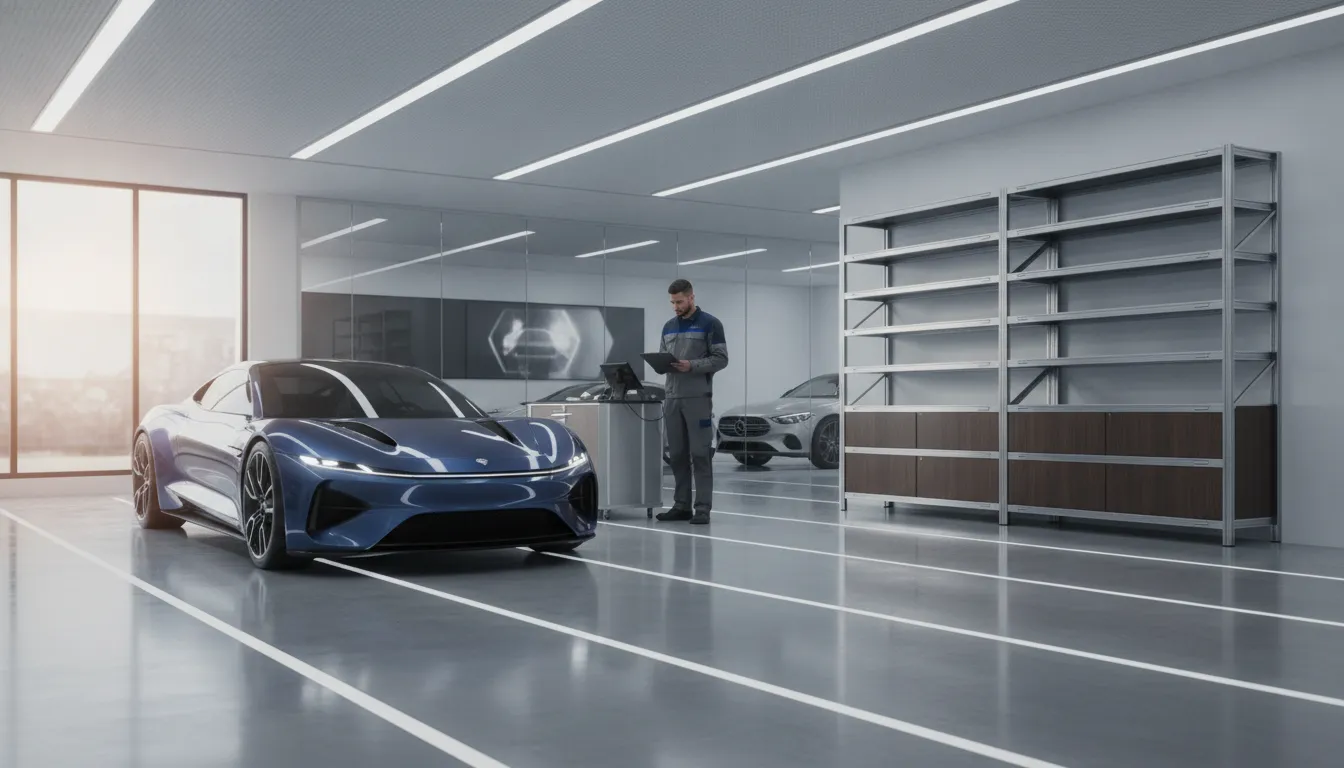
A prolonged parts delay may support a lemon law or warranty claim when it causes an unreasonable amount of time out of service or at the repair shop. Eligibility and remedies depend on the applicable state law, warranty, repair history, and claim type.
A lemon law parts backorder happens when a manufacturer cannot complete a warranty repair because a needed part is unavailable. The delay may contribute to an unreasonable amount of time out of service or at the repair shop. It does not automatically make a vehicle a lemon. A careful review must consider the applicable law, warranty, repair attempts, dates, and communications.
Many drivers feel stuck when a dealer says a part is not in stock. You might worry that you have no rights until the shop gets the stock they need. Knowing how a lemon law parts backorder can affect a claim helps you protect your car and seek the help you need. The path begins with a clear review of your repair timeline, warranty coverage, and communications.
Our Kahn & Associates, L.L.C. team has recovered more than $65 million for consumers and has a 97% win rate, including cases filed in court. Call (216) 621-6101 or complete our free case review form to discuss your lemon law parts backorder, with no out-of-pocket fees or costs if we do not recover for you.
A parts backorder can leave you without a car for weeks or months. You may wonder if this delay helps you qualify for a lemon law claim for a car under its original warranty. In many cases, the law looks at how much time your car spends in the shop. This is often called the out of service rule. If your car sits at the dealer for a long time, it could become a lemon regardless of the cause. This is one of the most common signs your car is a lemon.
State laws assess time out of service in different ways. A prolonged delay can matter even when the repair cannot be completed because a part is unavailable. The relevant period, counting method, notice requirements, and available remedies vary by jurisdiction and claim type.
Do not rely on a single universal day threshold. An attorney can review where the vehicle was purchased or registered, when the problem arose. Warranty coverage, repair orders, and all time at the repair shop to identify the rules that may apply.
A manufacturer or dealership may explain that it cannot complete the repair until a part arrives. That explanation should be documented. A parts delay may still be relevant when evaluating whether the vehicle has spent more time at the repair shop than is reasonable or whether there has been a reasonable number of repair attempts.
Waiting for parts can be very stressful for a car owner. You still have to make your monthly loan payments even if you cannot drive the car. You might also have to pay for a rental car if the dealer does not give you a loaner. These costs add up fast and show why a quick fix is needed. A long delay is one of the clearest ways to show a car has a major flaw that hurts its value.
To win a claim, you must have the right records needed to pursue a claim. You should track every day your car is in the shop. Do not just count the days they spent working on the car. Count every day from the time you dropped it off until the day you picked it up. This is your total out of service time.
Good records make it hard for a manufacturer to fight your case. They cannot argue about how long the repair took if you have clear proof. If your car has been sitting for weeks, you should talk to a lawyer. You may be able to get a refund or a new car because of the parts delay. Manufacturers have a duty to provide a working vehicle, and a backorder is not an excuse for a long wait.
When your car sits in the shop for weeks, you might hear the dealer blame a lemon law parts backorder. They may tell you they are just waiting for a part to ship from the factory. Many drivers wonder if this time counts toward their legal rights. In most cases, the answer is yes. The law looks at how long you cannot use your car, not why the shop is slow.
Most state laws say a car is a lemon if it stays in the shop for too many days. This is often called the out-of-service limit. Many states set this limit at 30 days in total. If your car sits for 30 days because of a backorder, it may qualify for a lemon law claim. You do not have to wait forever just because a part is hard to find.
The shop may claim that a parts delay is out of their control. But the law puts the duty on the manufacturer of the car. If they cannot get the parts to fix your car in a fair amount of time, they have failed their duty. Some states, like Massachusetts, have even shorter limits of just 15 business days. You can check the official state guides to see the exact limits where you live.
Sometimes a dealer will give you a loaner car while you wait for parts. This can make your life easier, but it does not stop the clock on your claim. Even with a loaner, your own car is still out of service. You are still paying for a vehicle that you cannot drive. You are also putting miles on a car that is not yours while your own car loses value in a lot.
Manufacturers must fix your car in a fair number of tries or a fair amount of time. If they fail, they may owe you a refund or a new car. You should still track every day your car is in the shop. This helps prove that the car has a big problem that the manufacturer cannot fix.
To win a case, you need proof of every day your car was away. The documentation needed to pursue a claim includes repair orders and emails. Ask the shop for a paper that shows when you dropped off the car. If they say a part is on backorder, ask them to put that in writing too.
A backorder shows the shop cannot fix the car quickly. This makes it easier to show the car is a lemon. By keeping good notes, you can show exactly how many days you lost. This data is key if you need to ask for a buyback.
A lemon law parts backorder can leave you without a car for a long time. When this happens, you must act as your own clerk. The law needs proof that the shop took too long to fix your car. Without good notes, it is your word against theirs. Clear records show the manufacturer failed to meet their duty under the warranty.
Each time you visit the shop, you should get a repair order. This paper is the base of your case. It must show the day you left the car and the day you picked it up. If the dealer keeps the car while waiting for parts, the clock is still running. Make sure the order notes that the repair is on hold due to a part delay. This documentation needed to pursue a claim makes your legal path much smoother.
You need to track more than just dates. You must show how the delay changed your life. The manufacturer might say the delay was not their fault. Your job is to show it does not matter why the parts are late. Use this list to stay on top of the facts while your car sits.
Dealers often make verbal promises that they do not keep. They might say the part will arrive in three days to keep you calm. If those days pass and the part is not there, you have more proof of a fail. Write a short note after every call or visit. State who you talked to, what was said, and the date. These small notes build a big picture of a car that the manufacturer cannot fix in a fair time. This help is vital for your case.
Waiting for a lemon law parts backorder can be a test of your patience. Most people wait a few days or even a week without much worry. But when days turn into weeks, you must act to protect your rights. Manufacturers often use backorders as an excuse for long delays. However, state laws usually set a hard limit on how long a shop can keep your vehicle.
Many state lemon laws say a car is a lemon if it stays out of service for 30 days or more. This limit often applies to the total time spent at the shop. It counts even if the dealer is just waiting for parts. For example, some laws define a lemon if the car is out of use for a cumulative total of 30 days. If your car is near this mark, start the escalation process right away.
You do not have to wait for the dealer to find the part to start your claim. The law looks at how much time you have lost with your vehicle. If the car spends an unreasonable amount of time at the shop, you may qualify for a lemon law claim. In some states, this clock starts as soon as you drop the car off for a repair covered by the warranty.
Stop relying on phone calls or verbal promises from the shop. If your parts are on backorder, ask for a written status update. This report should show when the part was ordered and when it should ship. Keeping a log of these updates helps you show a pattern of delay. You should also keep all documentation needed to pursue a claim, such as repair orders with clear dates.
Keep your talks factual and calm. Do not blame the dealer for the delay, as they do not make the parts. Instead, focus on the manufacturer’s duty to give you parts in a timely way. If the dealer asks you to authorize work that is not part of the warranty, be careful. This extra work might give them an excuse for more delays. These delays may not count toward your out of service time.
If the dealer cannot give you a clear repair date, call the manufacturer directly. Ask for a case number and a firm date for the part to arrive. Tell them how many days your car has been at the shop. This creates a record that you tried to fix the issue. You may also need to give the manufacturer a final chance to fix the car. Some state rules require you to give them a final opportunity to remedy the situation if repairs fail.
Getting a legal review early can save you time and stress. A law firm can help you see if your wait time meets the legal definition of “unreasonable.” They can also handle the talks with the manufacturer for you. Since the firm works against the manufacturer and not the dealer, they can focus on your rights. This helps you get a fast result with no out-of-pocket fees, win or lose.
When your car sits in a shop for weeks, you may feel stuck. A lemon law parts backorder often keeps a car off the road for a long time. In these cases, you might use state laws or federal laws to get help. Both paths aim to protect you, but they work in other ways. Knowing these rules can help you decide how to go ahead with your claim.
Each state has its own set of rules for faulty cars. Most state laws look at how many days a car is out of service. For example, some states say a car is a lemon if it stays in the shop for 30 days. These days do not have to be all at once. If a dealer cannot fix your car because of a parts delay, those shop days still count toward the total. This means you may qualify for a refund even if the dealer is just waiting on a shipment.
State laws often offer strong fixes for car owners. If you win, the manufacturer may have to buy back the car or give you a new one. They might also pay for your loan payoff or other costs. But these laws can be strict. You must usually file the claim within a certain time or under a certain mileage. You can learn more about lemon law protections to see if your car fits these state rules.
If your car does not fit your state’s lemon law, you may still have a path. The Magnuson-Moss Warranty Act is a federal law that covers all states. It protects anyone who buys a product with a written warranty. This law is often more open than state rules. It does not always need a set number of days in the shop. Instead, it asks if the manufacturer had a fair chance to fix the car.
Federal claims often lead to cash payments. This money makes up for the loss in value of your car. You get to keep the car and use the cash for repairs or other needs. Like state laws, this federal act allows you to get help from a lawyer at no cost to you. The manufacturer must pay the legal fees if you win your case. This makes sure that every car owner can seek help without spending their own money.
Choosing between these laws depends on your goals and your car’s history. A state claim is often best if you want to get rid of the car. A federal claim might be better if you want to keep the car but get paid for its flaws. Both laws help when a lemon law parts backorder makes a repair take too long. You should track every day your car is in the shop to build a strong case.
| Feature | State Lemon Law | Federal Warranty Law |
|---|---|---|
| Main Fix | Refund or new car | Cash payment to owner |
| Shop Time Rules | Set number of days | Fair number of tries |
| Car Status | Return the vehicle | Keep the vehicle |
| Legal Fees | Manufacturer pays if you win | Manufacturer pays if you win |
No matter which path you take, keep good records. Save all repair orders and notes from the dealer. These papers prove how long you were without a car. Lawyers can use this proof to fight for a fair outcome. There is no sure result in any case, but having the right facts makes a big difference. You pay nothing out of pocket to start a review of your claim.
Sometimes a dealer may ask you to take your vehicle back even if it is not fixed. This often happens when parts are on backorder and the car is still safe to drive. While you may want to help the dealer, you must be careful. Taking the car back while it is still broken can change your legal rights.
If the dealer says the car is safe to drive, ask them to put it in writing on the repair order. This helps you if the fault causes a problem later. Do not just take their word for it. A written note from the shop shows they gave the car back to you with a defect. This paper is part of the documentation needed to pursue a claim if the fix fails later.
You should also watch how the car acts while you drive it. Note any sounds or smells that seem wrong. If the problem gets worse, stop driving the car and call the shop right away. Do not assume it is fine just because the dealer said so. Safety is the most important thing for you and your family.
A vehicle may be a lemon if it is out of service for 30 days or more. Even if you pick the car up, the time it spent at the shop still counts. You should keep a log of every day the car was not fit to use. This includes time spent waiting for parts or for a tech to look at it. The law looks at the total time the car was in the shop for work.
Keep every repair order and part bill you get from the dealer. These papers show the dates the car went in and came out. They also show what the shop tried to do. If the shop says they cannot fix it now because of a lemon law parts backorder, make sure that is on the paper. This helps show that the shop could not fix the car in a fair amount of time.
Each state has its own rules for how many times a shop can try to fix a car. In some places, you may qualify for a lemon law claim after just a few tries. If the dealer keeps giving the car back without a fix, you may have a strong case. A lawyer can help you see if your vehicle meets the local rules for a refund or a new car.
When you face a lemon law parts backorder, an attorney reviews the full repair chronology, warranty coverage, defect, repair attempts, and communications. The analysis focuses on whether the manufacturer had a reasonable opportunity to repair the vehicle and whether it spent more time at the repair shop than is reasonable under the applicable law.
Our firm helps people in Ohio, Florida, Michigan, North Carolina, and Pennsylvania. Each state has its own clock for repair times. For example, some laws count total days while others count business days. A lawyer knows these small details and how they affect your case. They will tell you if your specific state allows a claim for a parts delay. This check keeps you from wasting time on a case that cannot win.
Kahn & Associates handles used vehicles only when they remain under manufacturer warranty. Depending on the facts, potential outcomes may include monetary compensation, loan payoff, and/or a new vehicle. Results are not guaranteed, and the available path depends on the law and claim type.
Possibly. Time spent waiting for a warranty repair part may be relevant to whether the vehicle has been out of service or at the repair shop for an unreasonable amount of time. Eligibility depends on the applicable state law, warranty, defect, repair history, and claim type.
There is no single universal day threshold for every consumer. States count time and repair opportunities differently, and warranty claims may follow different rules. Keep a complete timeline and obtain advice based on the jurisdiction and facts of your claim.
You should keep careful records of every visit to the shop. Make sure your repair orders show the date you dropped off the car. They must also list the parts on backorder. It is wise to save all emails and notes from talks with the dealer. These records help show that you could not use the vehicle for a long time. Good proof is vital when you ask for a refund or a new car.
Most state lemon laws do not require a dealer to give you a loaner car. Some manufacturers may offer one as a gift, but it is not a legal right. Even if you have a loaner, the days your vehicle stays in the shop still count toward the total. If you must pay for a rental car, you may get those costs back later. This often happens if you win your lemon law case.
A refund or another remedy may be available in some claims, but a backordered part does not guarantee a particular outcome. An attorney can assess whether the manufacturer received a reasonable opportunity to repair and which remedies may apply.
Waiting for backordered parts is more than a minor annoyance because it can force you to pay for a vehicle that you cannot even safely drive. Our team at Kahn and Associates, L.L.C. can help you learn your rights and hold the manufacturer of your car responsible for these long delays. You can see if you qualify for a lemon law claim and check the documentation needed to pursue a claim before you waste any more of your valuable time.
Ready to take the first step toward a fix? Call (216) 621-6101 to talk to a lawyer and request a free consultation about your case right now.
*Disclaimer: The information contained in this Website is provided for informational purposes only, and should not be construed as offering legal advice, or creating an attorney client relationship between the reader and the author. While we aim for accuracy, the law is constantly changing and we make no guarantees regarding the completeness or timeliness of the information. You should not act or refrain from acting on the basis of any content included in this Website without seeking appropriate legal advice about your individual facts and circumstances from an attorney licensed in your state.
To see if you qualify, fill out the form below or call us at 1-888-536-6671 – No Office Visit Needed!

I had a great experience with Kahn & Associates! They made the process of dealing with an extremely frustrating lemon situation painless. They have very quick response times and everyone I dealt with was very friendly and helpful. Would definitely recommend!
Kahn and Associates did an awesome job with our lemon law case! We were getting nowhere with VW Customer Service and decided to hire an attorney who specialized with lemon law cases. We couldn’t be happier with the outcome. We were able to get a full refund on our lemon VW Atlas.
What a great experience! I was on the fence about hiring an attorney for my ongoing automotive issues and continued frustration with the manufacturer. It was a very simple process and I am very grateful Kahn and Associates for helping get me a settlement!
Real Honest attorneys!!! They are the real deal! I went back and forth with them and they explained to me every step and my rights under the law! I give them 5 stars because I won!!! Yes and my check is coming to me much sooner than I thought! I was stuck ! I own a brand new car and the dealer was giving me a hard time !

This page has been written, edited, and reviewed by a team of legal writers following our comprehensive editorial guidelines. This page was approved by Attorney Craig A. Kahn, who has more than 20 years of legal experience in lemon law.
When you are up against a massive car manufacturer, it is easy to feel like you have no power. But when it ...
A dealer can try to fix a serious vehicle defect without turning a wrench. As cars rely more on code, a sof...
If you bought a used car in Michigan and it turned out to be a constant headache, your first thought was pr...

Stuck with a defective car in Ohio? State Lemon Laws protect you. Get a refund, replacement, or cash settlement. Learn your rights today!

Florida Lemon Laws cover new and used vehicles. If your car’s a lemon, you deserve compensation. Let us help you fight for justice!

Michigan’s Lemon Law protects you from faulty vehicles. Don’t settle for endless repairs—claim your refund or replacement now.

North Carolina Lemon Laws ensure defective vehicles are replaced or refunded. Know your rights and take action today!

Pennsylvania Lemon Law covers new cars with repeated issues. Get the compensation you deserve. Click to learn more!
To see if you qualify, fill out the form below or call us at 1-888-536-6671 – No Office Visit Needed!

The Truth About Attorney’s Fees in Lemon Law Cases Learn more
*Disclaimer: The information contained in this Website is provided for informational purposes only, and should not be construed as offering legal advice, or creating an attorney client relationship between the reader and the author. While we aim for accuracy, the law is constantly changing and we make no guarantees regarding the completeness or timeliness of the information. You should not act or refrain from acting on the basis of any content included in this Website without seeking appropriate legal advice about your individual facts and circumstances from an attorney licensed in your state.

 Message Us
  Call Us