
Have A Case? Call Us
1 888-536-6671
60 Second Lemon Law Assessment™
60 Second Lemon Law Assessment™
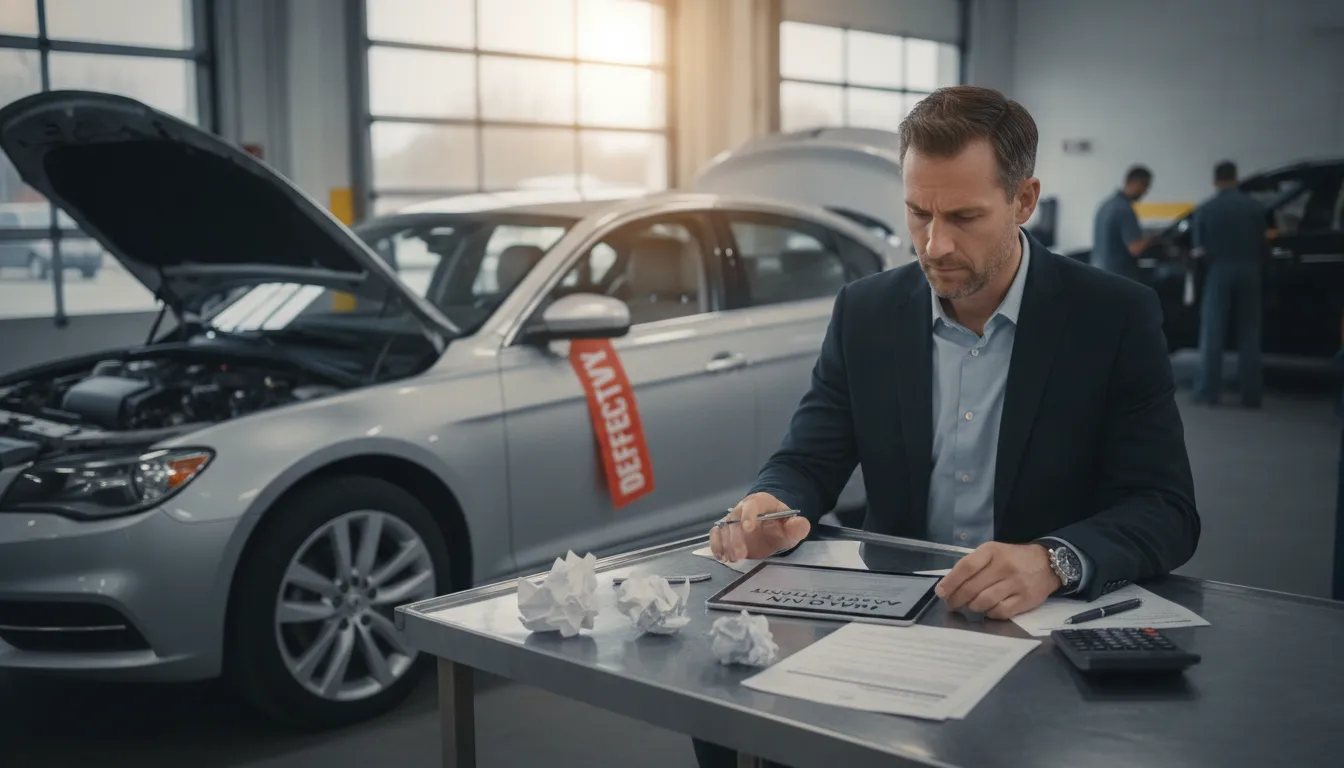
Negative equity from a trade-in does not simply vanish because a car maker agrees to a lemon law buyback. When you roll old debt into a new loan, lender payoff treatment can become complicated, and the result depends on the applicable law, financing documents, offsets, and negotiated terms.
Request a free case review to have Kahn & Associates evaluate your loan documents and possible lemon law claim.
The negative equity that you roll into a new loan is not usually covered during a lemon law buyback. While the car maker may pay for the faulty car, the buyer must still pay for old debt from a trade-in. Laws in states like Ohio and Florida aim to return you to your original state just before this lemon vehicle. This means the car maker does not have to erase debt you owed before the purchase. If your loan is higher than the car price, you might still owe money after a win. This gap can make a payout tricky and needs a careful review of your deal. Do not think your old debt will go away just because the car is a lemon.
Many drivers are surprised to find that their old car debt follows them. This doubt can lead to a lot of anger during a claim. To find the answer, you must know the link between your loan and car value.
Negative equity is when you owe more on a car loan than the car is worth. Many car buyers call this being “upside down” or “underwater.” This gap between the loan and the car’s trade-in value is common. It often happens because new cars lose value fast. If you have a big loan and a small down payment, you may find yourself in this spot.
This case gets more complex when you trade in a car you still owe money on. If the old car is worth less than its loan, the bank may have rolled that debt into your new car loan. The new loan then covers two things: the price of the new car and the debt from the old one. This makes your total debt much higher than the value of the new car from day one. You can check your lemon law claim value to see how this debt fits into your case.
It is vital to split the cost of your “lemon” from the debt of your old car. The price of a new car usually includes the sticker price, tax, and fees. Negative equity is not part of the price of the new car. Instead, it is a personal debt that you chose to carry over. This split is at the heart of many legal talks during a buyback.
When a car has a flaw that the dealer cannot fix, the Magnuson-Moss Warranty Act and state lemon laws may help you get a refund. These laws aim to hold car makers to blame for the bad goods they sell. But car makers often argue they should only refund the money spent on the lemon. They may claim that your old debt is a personal loan and not a cost of the new car.
Car buyers often feel that the “price paid” should include the full loan amount. They see the rolled-over debt as part of the deal to get the car. But car makers see it in a different way. They believe they are only on the hook for the car they made. They do not want to pay off a loan for a car made by a rival firm years ago.
The goal of a buyback is to put you back in the spot you were in before you bought the bad car. The maker usually offers to pay off the loan and refund your payments. But if your loan includes old debt, the path becomes tricky. To finish a buyback, the car maker needs a clear title to the car. This means the whole loan must be paid in full.
If the manufacturer refuses to pay the negative equity part of the loan, you may have to pay that sum yourself to clear the title. This can be a shock for buyers who expect the maker to wipe away all their car debt. Some people find they still owe thousands of dollars even after they give the lemon back. Knowing how lemon law buybacks work helps you get ready for these facts.
Every state has its own rules for lemon law claims. For instance, the Florida Motor Vehicle Lemon Law gives clear rights to people with new cars. These rights last for 24 months after you get the car.
We can try to work with the car maker to cover some or all of the negative equity as part of a settlement. This often depends on how the loan was set up. It also depends on what the state law says.
We aim to get an agreement that covers as much of your debt as possible. Mileage offsets also play a role in the final check you get. Each state counts this in different ways based on their local laws.
In Ohio, there is no mileage offset in a repurchase. In Florida, the miles at the time of the agreement are used. Michigan looks at the miles before the first repair and anything over 25,000 miles. These rules can change the amount of money you get back.
Our firm has a very high win rate. We ensure you pay us nothing out of pocket, win or lose. We seek the best results for your claim and your future.
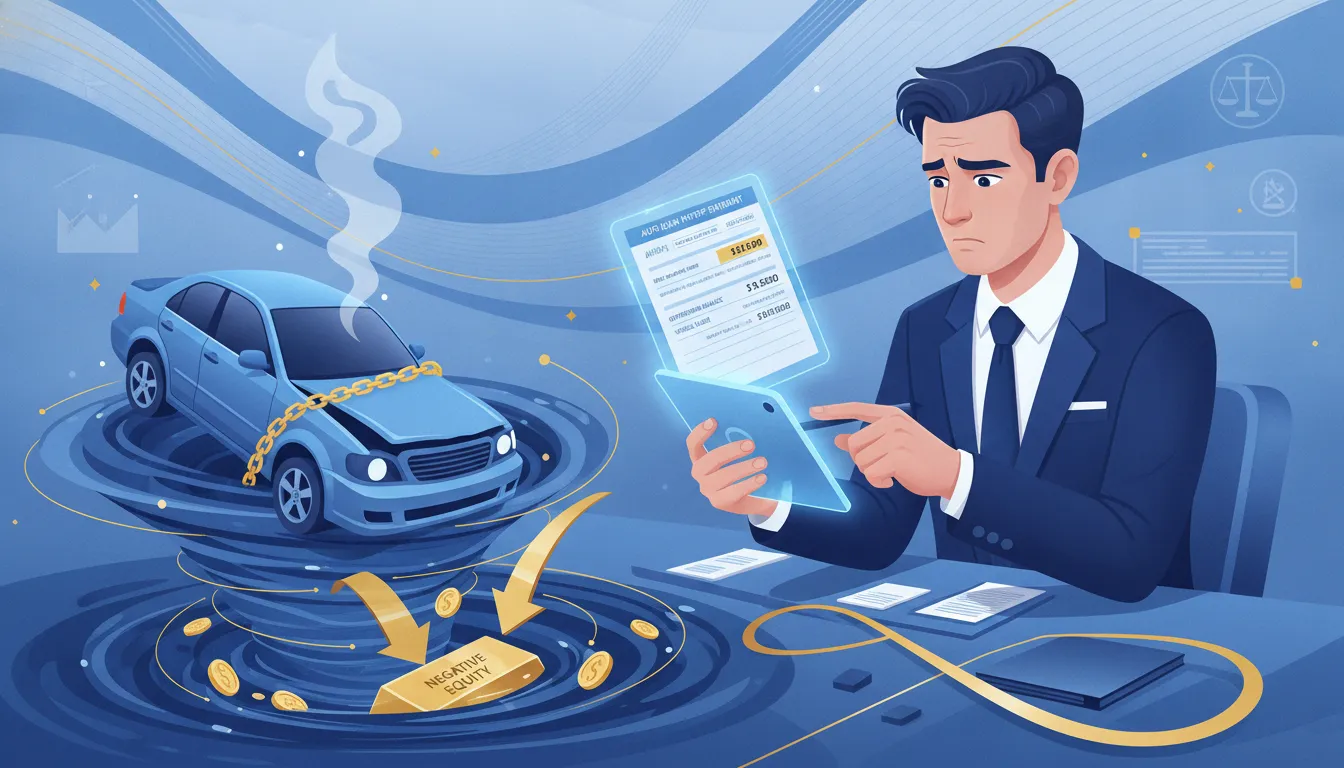
A lemon law buyback calculation is more than just a refund of your car’s price. To calculate your lemon law claim value, legal teams and car makers look at several parts. These things can change the total amount you get back in a settlement or buyback. Each state has its own rules. Many use a similar set of numbers to find the final value.
The base of the math is usually the actual price you paid for the car. This includes any sales tax, title fees, and costs for tags. If you took a loan for the car, the math may also look at the interest you have paid. The goal is to return you to the state you were in before you bought the lemon. But the law varies by state. The exact list of fees that are paid back can differ from one place to the next.
Most states allow the car maker to take a “usage offset” from your refund. This is a charge for the time you could use the car before the defect started. In Florida, the law uses the miles at the time of the settlement for this math (Florida Bar). In Ohio, there is often no mileage offset in a full buyback case. Other states, like Michigan and Pennsylvania, use specific rules based on when the first repair happened. This charge can lower your final check.
You may also get money back for costs tied to the car’s issues. This can include towing fees or the cost of a rental car. Some math looks at repair costs you paid on your own. When you know how lemon law buybacks work, you can better track these costs. Keeping good records of every cent you spend on the lemon is a smart move. This helps your legal team fight for a full and fair settlement.
The sales contract, trade-in disclosures, current payoff statement, payment history, repair orders, warranty, and communications help distinguish the defective vehicle’s cost from rolled-in debt. Together, these records let an attorney evaluate the claim, applicable offsets, and possible lender-payoff terms.
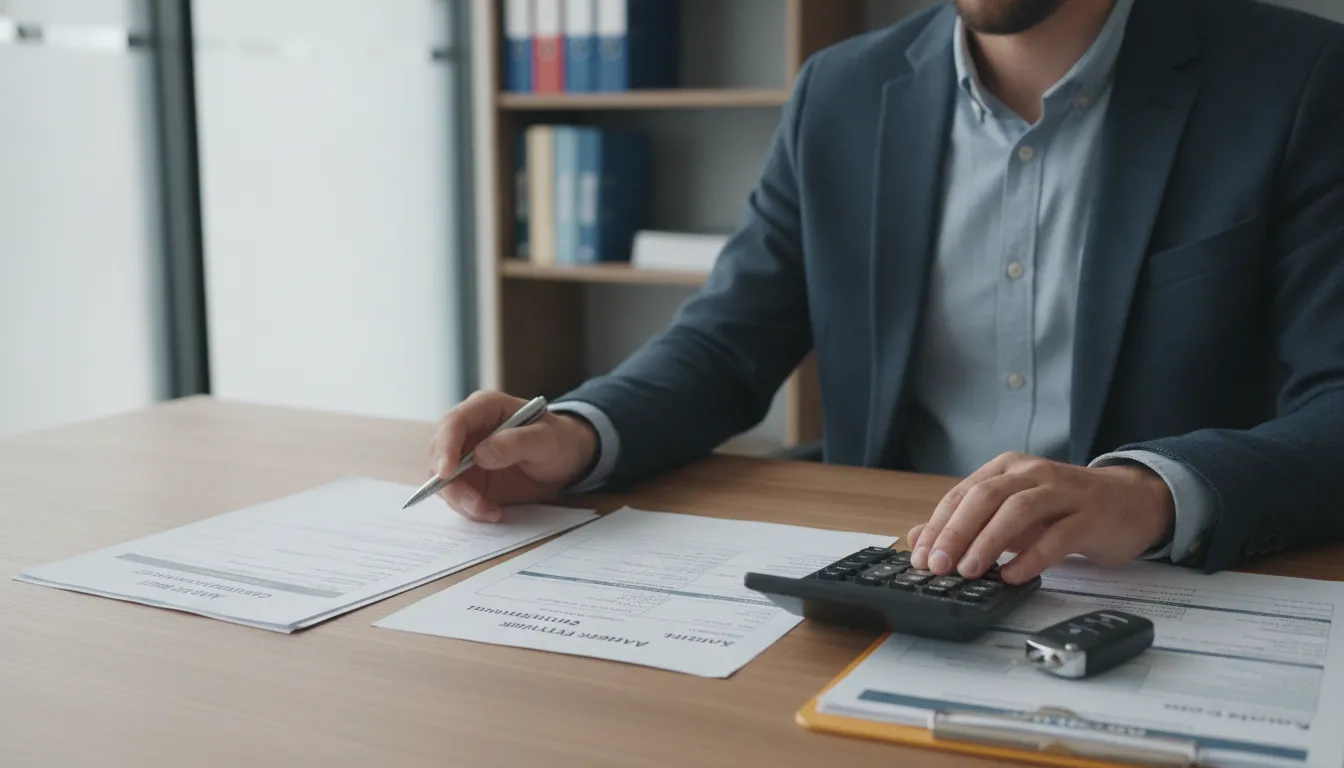
These records help show that your car is a lemon. They also show how much money you lost from lemon law negative equity. Having these files ready will help your case move fast. You need to prove what you paid for the car and what you still owe on your loan. Each piece of paper acts as a tool to build a strong claim against the car maker.
The first things to find are your sales and loan papers. You must have your retail installment contract or lease agreement if you didn’t pay cash. These show the price of the car and any trade-in value. If you rolled an old loan into your new one, these records show that debt. You should also keep your buyer’s order and proof that your old loan was paid off.
You must calculate your lemon law claim value with this in mind. Knowing these numbers early will help you and your lawyer plan your next steps. It is vital to see how much of your loan came from your old car.
You need every repair order and invoice from the dealer. Each time you take the car in for a fix, ask for a copy of the work order. It should show the date you dropped it off and the miles on the car. It must also list the problems you told the dealer about. Even if they could not find a flaw, you should keep the paper. These records prove the car was out of service or had many repair tries. They show a clear path of the car’s failures over time.
You must show that the flaw was not fixed after a fair number of tries. Without these repair orders, it is hard to prove your car is a lemon. Each state has its own rules for how many repair tries you need. Keep all invoices in a safe spot so you do not lose them.
Find your owner’s manual and warranty book. These show what the maker promised to fix under their plan. You should also keep a log of every talk you had with the dealer or the maker. Write down the name of the person you spoke with and the date. Save all emails and text logs about the car’s problems. These notes show that you tried to get the maker to fix the car in a fair way. They add a human side to the cold facts of the repair orders.
If you bought extra items like a service contract or GAP insurance, save those papers too. You may be able to get a refund for these as part of your claim. Each piece of paper adds more weight to your case. The more proof you have, the better your chances are of winning. Your lawyer will use these to build a strong claim and push for a fair win. Collecting these files now will save you a lot of time later.
Contact Kahn & Associates for a free review before agreeing to payoff figures or buyback terms.
The most vital rule to remember during a lemon law case is that your loan deal stays active. You must keep making every monthly payment on time until the buyback is final. Many people think that because the car is a lemon, they should not have to pay for it. However, the bank is a third party that is not to blame for the car’s flaws.
If you stop making payments, the bank can report you to credit bureaus or even take back the car. This can hurt your credit score and make it much harder to get a loan for a new car. Stay current on your loan so that you stay in a good spot during the case.
In a buyback, the car maker wants to take back the car with a clear title. To do this, they must pay off your loan. You will be asked to give a payoff statement from your bank. This paper shows the car maker the exact amount needed to pay off the loan.
The car maker usually sends the payoff money straight to the bank. Once the bank gets the funds, they will release the lien and send the title to the car maker. Under laws like the Ohio Revised Code, a car maker must pay back the full price and costs when they buy back a lemon. After the bank is paid and a cut for your use of the car is taken, any money left is paid to you as a refund.
Before you sign any final papers, you should have a lawyer check the deal. You need to check that the maker is paying the right amount to the bank and that your debt will truly end. A common error is thinking the car maker will handle every detail with your bank on their own.
They can also ensure that the maker is not taking too large of a cut for the miles you drove. They also check if car maker-paid legal fees can be part of the deal. While some state laws, such as Florida’s motor vehicle lemon law, give clear rules for consumer rights, the pay for fees is often agreed during talks. Having a lawyer ensures that these costs do not take from the money you need to pay off your loan. The firm works on a “no win, no fee” basis. You pay nothing unless they win your case.
Getting legal help ensures that once you turn over the keys, the loan is gone for good. You can learn more about how lemon law buybacks work to prepare for the final steps of your case.
Generally, you cannot get a refund for negative equity in a lemon law buyback. Car makers are usually only responsible for the costs tied to the lemon vehicle itself. They are not required to pay for debt rolled in from a previous trade-in. This means if you owed $5,000 on an old car and added it to your new loan, you may still owe that amount to your bank after the car maker repurchases the lemon.
No, gap insurance does not cover negative equity in a lemon law case. Gap insurance is designed to pay the difference between your car’s value and your loan balance if the vehicle is totaled or stolen. Since a lemon law buyback is a legal repurchase and not a total loss from an accident, gap insurance will not apply. You should speak with a lawyer to see if you can get a refund for the cost of the gap insurance policy itself.
Negative equity reduces the amount of cash you receive from a lemon law reimbursement. In a buyback, the manufacturer pays off your loan and refunds your payments, plus typically pays attorney’s fees. However, they may subtract the amount of negative equity that came from your old car, if your loan payoff is higher than the car’s price because of rolled-in debt. You might have to pay the bank the difference to clear the title and finish the buyback process.
Collateral charges like sales tax and registration fees are usually reimbursable, but those tied specifically to negative equity are not. However, debt from a prior vehicle is not part of the price of the lemon. While you get back the tax you paid on the new car, you do not get back the debt you brought into the deal.
Acting now stops you from being stuck with a lemon car. Starting your case today helps you end a bad deal before your car warranty runs out. You can also use our lemon law buyback calculator article to see what your case might be worth. The longer you wait, the harder it can be to show the car maker why they should buy it back. Our team works to make sure you pay no out-of-pocket fees or costs. We deal with the car makers for you so you can move on and get a fair result.
Ready to talk to a lawyer? Request a free case review to schedule a free consultation.
*Disclaimer: The information contained in this Website is provided for informational purposes only, and should not be construed as offering legal advice, or creating an attorney client relationship between the reader and the author. While we aim for accuracy, the law is constantly changing and we make no guarantees regarding the completeness or timeliness of the information. You should not act or refrain from acting on the basis of any content included in this Website without seeking appropriate legal advice about your individual facts and circumstances from an attorney licensed in your state.
To see if you qualify, fill out the form below or call us at 1-888-536-6671 – No Office Visit Needed!

I had a great experience with Kahn & Associates! They made the process of dealing with an extremely frustrating lemon situation painless. They have very quick response times and everyone I dealt with was very friendly and helpful. Would definitely recommend!
Kahn and Associates did an awesome job with our lemon law case! We were getting nowhere with VW Customer Service and decided to hire an attorney who specialized with lemon law cases. We couldn’t be happier with the outcome. We were able to get a full refund on our lemon VW Atlas.
What a great experience! I was on the fence about hiring an attorney for my ongoing automotive issues and continued frustration with the manufacturer. It was a very simple process and I am very grateful Kahn and Associates for helping get me a settlement!
Real Honest attorneys!!! They are the real deal! I went back and forth with them and they explained to me every step and my rights under the law! I give them 5 stars because I won!!! Yes and my check is coming to me much sooner than I thought! I was stuck ! I own a brand new car and the dealer was giving me a hard time !

This page has been written, edited, and reviewed by a team of legal writers following our comprehensive editorial guidelines. This page was approved by Attorney Craig A. Kahn, who has more than 20 years of legal experience in lemon law.
Hyundai ranks among the most popular vehicle brands in the United States, with the Tucson and Sonata consis...
If your Chrysler Pacifica keeps returning to the dealership for warranty repairs, you may be wondering whet...
You have more power as a consumer than you might realize. When you buy a product from a professional seller...

Stuck with a defective car in Ohio? State Lemon Laws protect you. Get a refund, replacement, or cash settlement. Learn your rights today!

Florida Lemon Laws cover new and used vehicles. If your car’s a lemon, you deserve compensation. Let us help you fight for justice!

Michigan’s Lemon Law protects you from faulty vehicles. Don’t settle for endless repairs—claim your refund or replacement now.

North Carolina Lemon Laws ensure defective vehicles are replaced or refunded. Know your rights and take action today!

Pennsylvania Lemon Law covers new cars with repeated issues. Get the compensation you deserve. Click to learn more!
To see if you qualify, fill out the form below or call us at 1-888-536-6671 – No Office Visit Needed!

The Truth About Attorney’s Fees in Lemon Law Cases Learn more
*Disclaimer: The information contained in this Website is provided for informational purposes only, and should not be construed as offering legal advice, or creating an attorney client relationship between the reader and the author. While we aim for accuracy, the law is constantly changing and we make no guarantees regarding the completeness or timeliness of the information. You should not act or refrain from acting on the basis of any content included in this Website without seeking appropriate legal advice about your individual facts and circumstances from an attorney licensed in your state.

 Message Us
  Call Us