
Have A Case? Call Us
1 888-536-6671
60 Second Lemon Law Assessment™
60 Second Lemon Law Assessment™
by Kahn & Associates - July 7th, 2026

A vehicle that remains in the repair shop for an extended period often qualifies as a lemon under Florida law. Understanding how the state calculates out-of-service days is essential to protecting your legal rights and securing a refund or replacement.
Schedule a Free Case Review Today
The Florida lemon law requirements for an out-of-service claim include two major timing milestones that every Florida driver must track to protect their legal rights. First, if your vehicle is in the shop for fifteen total days, you must send a formal written notice to the manufacturer to start the legal clock. This critical notice gives the manufacturer one final chance to fix the defect before your vehicle is legally presumed to be a lemon. If the vehicle remains out of service for thirty cumulative days, the law typically presumes the vehicle, as outlined in an article by The Florida Bar. Any settlement will likely also include a mileage offset based on the vehicle’s odometer reading at the time of settlement to account for your use of the vehicle.
Keep in mind that although this article focuses on the out of service presumption under the lemon law, you still must have a defect or condition that substantially impairs the use, value or safety in the first instance.
Navigating these deadlines can be challenging. You may wonder exactly how the state counts these days and what steps to take after sending your notice. Below we break down the two-tier out-of-service system and explain how each stage affects your claim.
Florida’s Lemon Law, codified in Chapter 681 of the Florida Statutes, protects consumers who purchase or lease new motor vehicles with substantial defects. The law applies to new cars and demonstrator vehicles during the first 24 months after delivery, known as the Lemon Law Rights Period. If a manufacturer cannot conform the vehicle to its warranty after a reasonable number of repair attempts or after the vehicle has been out of service for a reasonable amount of time, the consumer may be entitled to a refund or replacement.
One of the most powerful paths to a lemon law remedy is the out-of-service calculation. This system tallies the cumulative days your vehicle spends at the dealership or repair shop for warranty-covered defects. Florida employs a two-tier system that progressively strengthens your legal position. The first tier triggers a notice requirement that puts the manufacturer on notice. The second tier creates a legal presumption that shifts the burden of proof to the manufacturer. Understanding these tiers is foundational to your Florida lemon law rights.
The first tier activates once your vehicle accumulates 15 total days out of service. These days need not be consecutive; the law aggregates all individual repair visits within the Lemon Law Rights Period. At the 15-day mark, Florida law mandates that you send a formal written notice to the manufacturer. This notice provides the manufacturer one final opportunity to repair the defect. Critically, you must send this notice directly to the manufacturer, not to the dealership. The preferred method is the Motor Vehicle Defect Notification form, sent via certified or express mail.
Once the manufacturer receives your notice, they have ten calendar days to designate a reasonably accessible repair facility. After you deliver the vehicle, they have ten additional calendar days to complete the repair. If the manufacturer fails to repair the defect within this window, your path to a lemon law remedy becomes significantly stronger. Maintaining accurate records of each drop-off and pick-up date from the very first repair visit is essential to establishing the total days.
The second tier activates at 30 cumulative days out of service. At this threshold, the law creates a legal presumption that the manufacturer has had a reasonable opportunity to repair the vehicle. This shifts the burden of proof: the manufacturer must now demonstrate that they either conformed the vehicle to warranty or that the defect does not substantially impair the vehicle’s use, value or safety. The 30-day rule applies regardless of whether your vehicle suffered from a single recurring defect or multiple distinct issues, provided each issue is covered by the warranty.
Many consumers find the out-of-service path more accessible than the three-repair-attempt alternative. Rather than requiring the same defect to recur three times, the out-of-service rule simply requires that your vehicle be unavailable for a cumulative month. This makes it particularly useful for vehicles with intermittent or shifting problems that may not repeat the exact same failure pattern but nonetheless render the vehicle unreliable. This path is one of the most important Florida lemon law rules to understand.
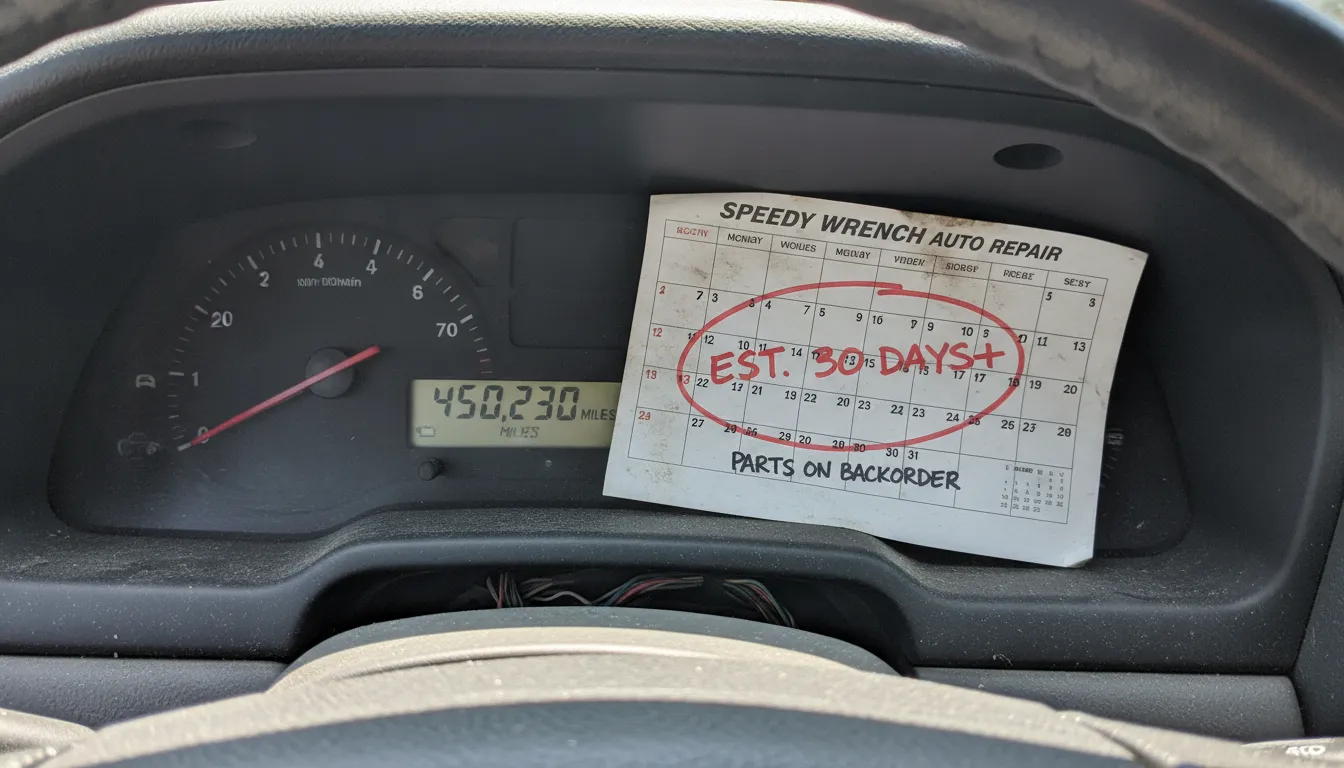
Florida law defines a day out of service as any calendar day your vehicle remains at a repair facility for warranty-covered repairs. The law does not require a single continuous stay to satisfy the Florida lemon law requirements. Instead, it counts the total aggregate time your vehicle spends in the shop across all warranty repair visits.
The time your vehicle spends at the repair facility accumulates across all visits for warranty-covered defects, whether for the same problem or different ones. For example, if your vehicle is in the shop for five days in June and ten days in July, you have reached the 15-day mark. Under Florida law, this total authorizes you to initiate the formal notice process against the manufacturer.
Each day counts from the moment you drop off the vehicle until you retrieve it. This includes weekends and holidays if the vehicle remains at the facility. Accurate tracking of these dates is critical to demonstrating that the manufacturer has received a fair opportunity to conform the vehicle to its warranty.
Not every day at the dealership contributes to your out-of-service total. Time spent on routine maintenance such as oil changes, tire rotations, or other non-warranty services does not count. The law only includes days attributable to defects or conditions that substantially impair the vehicle’s use, value, or safety. You must establish that each repair visit addressed a legitimate warranty issue rather than normal wear and tear or customer-induced damage.
Days caused by events outside the manufacturer’s control are also excluded. If your vehicle requires repairs due to an accident, unauthorized modifications, or negligent care, those days will not count toward your total. To prevail on an out-of-service claim, you must demonstrate that the defect originated from a manufacturing or materials flaw covered by the warranty, as outlined in our lemon law FAQs.
Florida law protects consumers whose vehicles spend excessive time in the repair shop, but only if they follow the prescribed procedural steps. The 15-day written notice is one of the most critical requirements. This notice alerts the manufacturer that your vehicle has accumulated substantial out-of-service time and triggers their final opportunity to repair the defect.
You must track every day your vehicle is in the shop for warranty-covered repairs. These days do not need to be consecutive. You may aggregate days from multiple visits addressing different defects. Once the cumulative total reaches 15 days, you have triggered the notice requirement under Florida lemon law rights. Time spent waiting for diagnostic evaluation, parts procurement, or repair completion all counts toward your total. Do not let the dealership suggest that only active repair days count; the vehicle is out of service from drop-off through pick-up.
Upon reaching the 15-day mark, you must send a formal written notification to the manufacturer. This notice must go directly to the manufacturer, not to the selling dealership. The Motor Vehicle Defect Notification form is the recommended format, available through your owner’s manual or the Florida Attorney General’s website. This form ensures you clearly document all defects and comply with the statutory notice requirements.
The notice must be sent via certified mail, registered mail, or express mail to create a verifiable paper trail. Retain the mailing receipt and tracking information. If the manufacturer later claims they never received notice, this documentation preserves your claim. Upon receipt, the manufacturer has ten days to designate a repair facility for the final repair attempt. And an additional ten days to complete the repair after you deliver the vehicle.
Once the manufacturer receives your notice, they have one final opportunity to bring the vehicle into conformity. They have ten days to direct you to a convenient repair facility and ten additional days to complete the work. This 20-day window is the manufacturer’s last chance under the law. If the manufacturer fails to schedule or complete the repair within this timeframe, or if the repair is unsuccessful, your claim proceeds to the remedy phase.
If the vehicle remains non-conforming after this final repair opportunity or if it reaches 30 total days out of service, the law presumes the manufacturer has had sufficient opportunity to repair. At this point, you may be entitled to pursue a refund or replacement vehicle. A comprehensive record of your 15-day notice and the manufacturer’s response significantly strengthens your claim by demonstrating strict compliance with every statutory requirement.
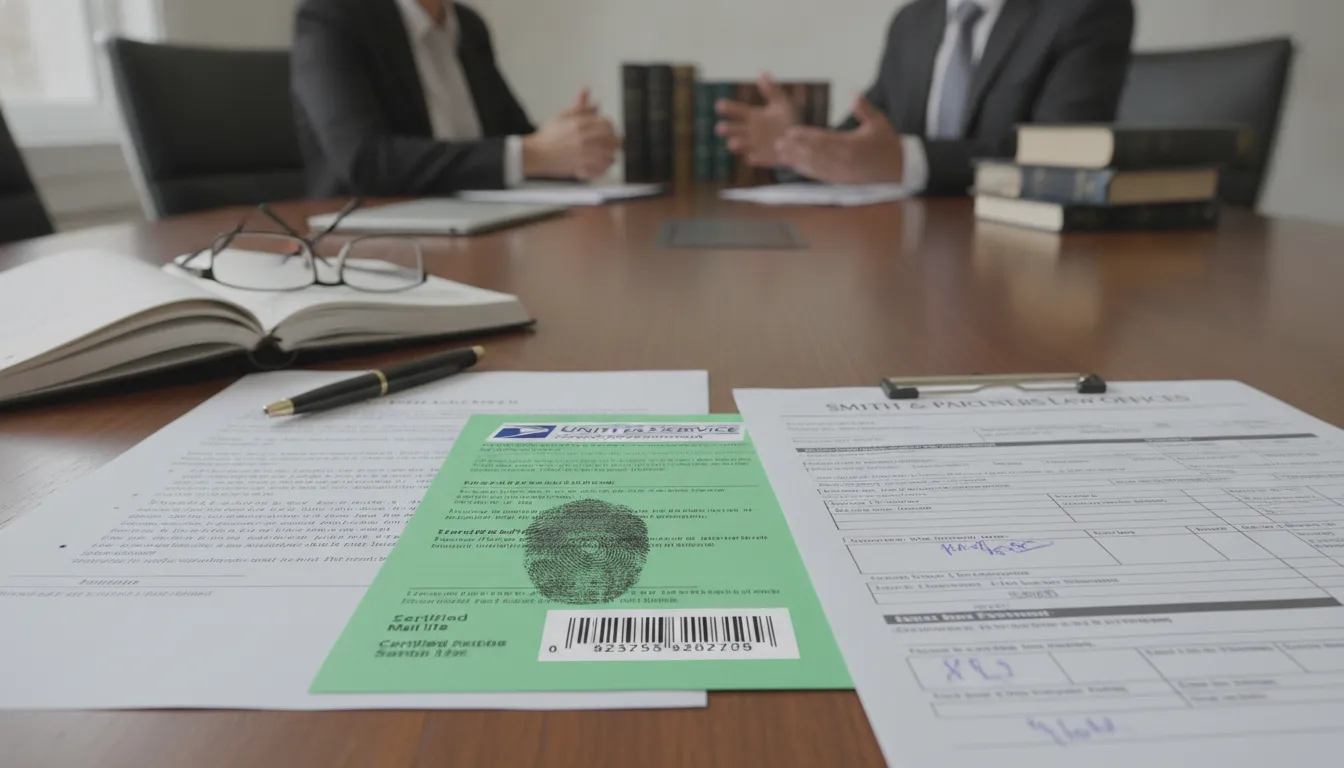
When a manufacturer repurchases a lemon vehicle, they must provide a refund or replacement. This is established under the Florida lemon law requirements for manufacturer buybacks. However, the manufacturer is permitted to deduct a mileage offset from the refund to account for the consumer’s use of the vehicle at the time of settlement. Understanding how Florida calculates this offset is critical to evaluating the net value of your settlement.
Florida’s mileage offset calculation differs from most other states. While many states measure miles driven before the first repair attempt, Florida calculates the offset based on the odometer reading at the time of settlement. This means any miles you drive while your claim is pending will reduce your final refund. Every mile you add to the vehicle while the case proceeds can reduce the amount the manufacturer returns to you. A long road trip during the pendency of your claim could meaningfully reduce your refund.
State-by-state variation in mileage offset rules is substantial. In Ohio, the law provides no mileage offset at all in a repurchase or replacement scenario, so consumers receive the full purchase price. Michigan calculates the offset based on miles driven before the first repair plus miles over 25,000 miles. North Carolina uses miles at the third repair visit. Pennsylvania applies the lesser of ten cents per mile at the first repair or ten percent of the purchase price. Florida’s approach, measuring miles at settlement, requires careful planning because the offset grows as the case progresses.
Knowing these distinctions helps consumers and their attorneys negotiate the most favorable settlement terms. If you limit unnecessary driving once your claim is filed, you minimize the offset and maximize your net recovery.
Even with a mileage offset, the law strongly favors consumers in lemon buyback cases. You may choose between a full refund of the purchase price (minus the offset and any prior usage) or a replacement vehicle of comparable value. The manufacturer may also be required to pay reasonable attorney’s fees and costs, meaning you can retain experienced legal representation without any upfront expense.
The attorney’s fee provision is a significant consumer protection. It levels the playing field between individual consumers and multinational automotive manufacturers. Because the manufacturer bears the cost of legal representation if the consumer prevails, consumers with valid claims face no financial barrier to pursuing their rights.
Documentation is the single most important factor in a successful out-of-service claim. For each repair visit, obtain a written repair order from the dealership that includes the date of drop-off, date of pick-up, the odometer reading at both points, a description of the reported defect, and the work performed. Store these records in a dedicated file, both physically and as digital copies. If the dealership refuses to provide a detailed repair order, document the refusal in writing.
Maintain a personal log that tracks the cumulative out-of-service days across all visits. This log should include the defect reported at each visit, the dates the vehicle was at the facility, and the running total of days. This record will be your primary evidence if the manufacturer disputes the out-of-service calculation.
The procedural requirements of Florida’s Lemon Law are detailed and strictly enforced in order to file a successful lawsuit in court. An experienced lemon law attorney can help you navigate the notice requirements. Evaluate whether the 30-day presumption applies to your situation, and negotiate with the manufacturer on your behalf. Because the manufacturer typically pays attorney’s fees in successful cases, there is no financial barrier to obtaining professional legal guidance. The firm has very high win rate and a commitment to holding manufacturers accountable for warranty compliance.
No. Florida law aggregates all days your vehicle spends at the repair facility for warranty-covered repairs across all visits. The days do not need to be consecutive. If you have three separate visits totaling five, six, and four days, you have reached the 15-day trigger even though no single visit lasted 15 days.
If the manufacturer does not respond within ten days to designate a repair facility, they forfeit their final repair opportunity. Your claim can then proceed directly to the remedy phase, where you may seek a refund or replacement. This is why sending the notice via traceable mail is critical, as proof of delivery establishes that the manufacturer received proper notice.
Yes. Florida’s out-of-service rule counts time spent at the repair facility for a substantial nonconformity covered by the warranty. You do not need the same problem to recur. Multiple distinct issues that each require repair visits contribute to the cumulative out-of-service total, making this path especially valuable for vehicles with shifting or intermittent problems.
Yes. Florida calculates the mileage offset based on the odometer reading at the time of settlement, not at the time of the first repair. This is different from many other states. The offset reduces the refund amount to account for your use of the vehicle before and during the claim process.
If your vehicle has spent 15 or more days at the repair shop for warranty-covered defects, you may have the beginning of a viable lemon law claim under Florida Statute Chapter 681 or for breach of warranty under federal law. Our firm represents consumers in Florida, Ohio, Michigan, North Carolina, and Pennsylvania against automobile manufacturers for defective vehicles. With a very high win rate, we have the experience to evaluate your situation and guide you through the process. There are no out-of-pocket fees or costs to you, win or lose.
Schedule a Free Case Review Online or Call 216-621-6101 Today!
*Disclaimer: The information contained in this Website is provided for informational purposes only, and should not be construed as offering legal advice, or creating an attorney client relationship between the reader and the author. While we aim for accuracy, the law is constantly changing and we make no guarantees regarding the completeness or timeliness of the information. You should not act or refrain from acting on the basis of any content included in this Website without seeking appropriate legal advice about your individual facts and circumstances from an attorney licensed in your state.
To see if you qualify, fill out the form below or call us at 1-888-536-6671 – No Office Visit Needed!

I had a great experience with Kahn & Associates! They made the process of dealing with an extremely frustrating lemon situation painless. They have very quick response times and everyone I dealt with was very friendly and helpful. Would definitely recommend!
Kahn and Associates did an awesome job with our lemon law case! We were getting nowhere with VW Customer Service and decided to hire an attorney who specialized with lemon law cases. We couldn’t be happier with the outcome. We were able to get a full refund on our lemon VW Atlas.
What a great experience! I was on the fence about hiring an attorney for my ongoing automotive issues and continued frustration with the manufacturer. It was a very simple process and I am very grateful Kahn and Associates for helping get me a settlement!
Real Honest attorneys!!! They are the real deal! I went back and forth with them and they explained to me every step and my rights under the law! I give them 5 stars because I won!!! Yes and my check is coming to me much sooner than I thought! I was stuck ! I own a brand new car and the dealer was giving me a hard time !

This page has been written, edited, and reviewed by a team of legal writers following our comprehensive editorial guidelines. This page was approved by Attorney Craig A. Kahn, who has more than 20 years of legal experience in lemon law.
Reporting a serious vehicle defect while your warranty coverage is active secures your legal rights regardl...
Honda Lemon Law Help for Repeat Warranty Repairs The second or third repair visit is often when frustratio...
You bought a new car expecting years of reliable driving. Instead, you are dealing with repeated repairs an...

Stuck with a defective car in Ohio? State Lemon Laws protect you. Get a refund, replacement, or cash settlement. Learn your rights today!

Florida Lemon Laws cover new and used vehicles. If your car’s a lemon, you deserve compensation. Let us help you fight for justice!

Michigan’s Lemon Law protects you from faulty vehicles. Don’t settle for endless repairs—claim your refund or replacement now.

North Carolina Lemon Laws ensure defective vehicles are replaced or refunded. Know your rights and take action today!

Pennsylvania Lemon Law covers new cars with repeated issues. Get the compensation you deserve. Click to learn more!
To see if you qualify, fill out the form below or call us at 1-888-536-6671 – No Office Visit Needed!

The Truth About Attorney’s Fees in Lemon Law Cases Learn more
*Disclaimer: The information contained in this Website is provided for informational purposes only, and should not be construed as offering legal advice, or creating an attorney client relationship between the reader and the author. While we aim for accuracy, the law is constantly changing and we make no guarantees regarding the completeness or timeliness of the information. You should not act or refrain from acting on the basis of any content included in this Website without seeking appropriate legal advice about your individual facts and circumstances from an attorney licensed in your state.

 Message Us
  Call Us