
Have A Case? Call Us
1 888-536-6671
60 Second Lemon Law Assessment™
60 Second Lemon Law Assessment™
by Kahn & Associates - June 15th, 2026
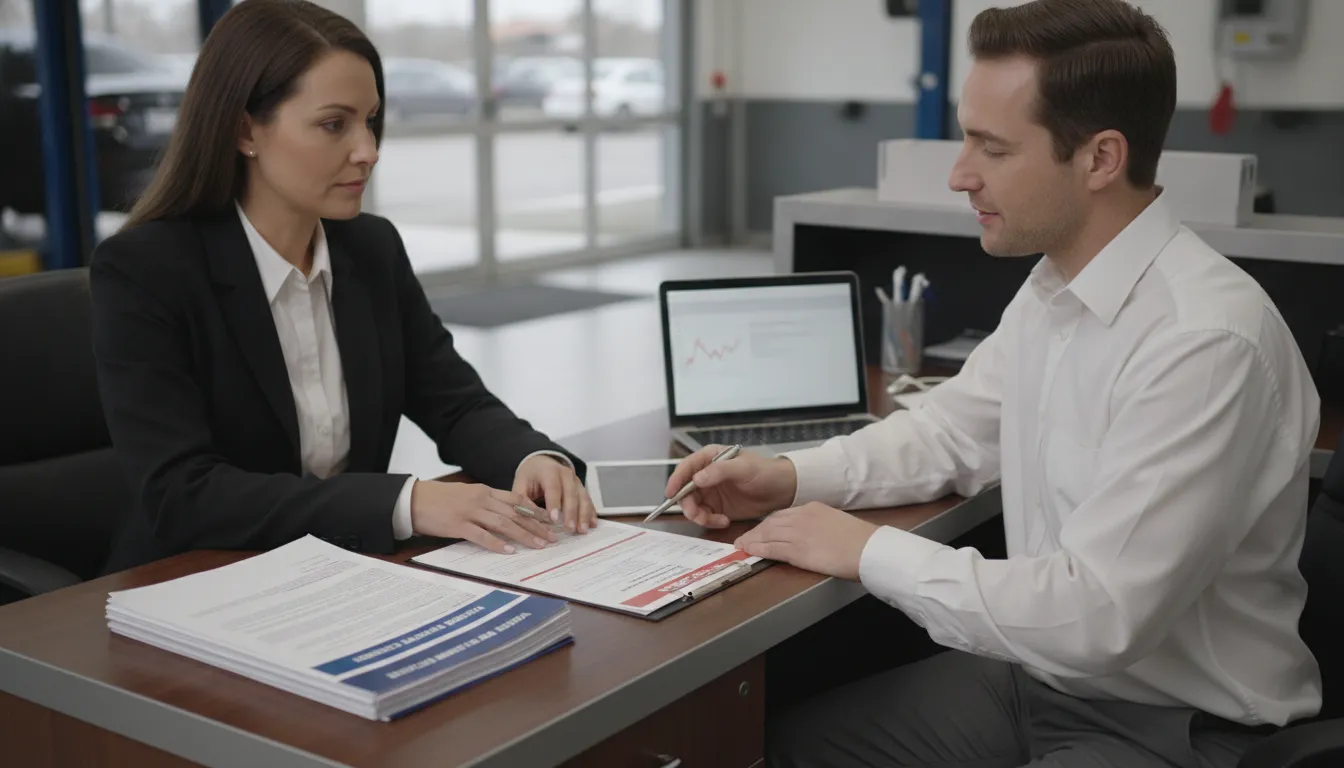
A diagnostic fee can make a warranty visit feel like a gamble. You brought the vehicle in because a recurring defect appears covered, yet you are told that you may owe for the inspection if the problem cannot be confirmed.
A warranty diagnostic fee is not automatically the consumer’s responsibility or the manufacturer’s responsibility in every situation. The answer usually depends on the written warranty, what the technician finds. Whether the reported concern is reproduced, and the reason the manufacturer gives for approving or denying coverage. Before authorizing diagnosis, ask how the fee will be handled if the defect is covered, not covered, or not reproduced. Keep the authorization, repair order, test results, and all manufacturer communications. Those records may become important if the fee is part of a broader dispute about a recurring defect or denied manufacturer-warranty claim.
The key is to separate a routine charge from evidence of a larger warranty problem. The following steps explain what to review, what to document, and when a manufacturer-warranty claim may deserve legal attention.
A diagnostic fee generally pays for the technician’s time and equipment used to identify the cause of a reported concern. Diagnosis may involve scanning vehicle systems, reproducing symptoms, inspecting components, reviewing technical information, and ruling out possible causes. The fact that a vehicle is within a warranty period does not, by itself, answer who will pay for every diagnostic step.
A service department may ask the consumer to authorize a fee before work begins because it does not yet know whether the manufacturer will approve the diagnosis as warranty work. If testing identifies a covered defect, the manufacturer may pay the authorized warranty labor under its procedures. If testing identifies an excluded cause, an out-of-warranty component, or no reproducible problem, the consumer may be told that the fee remains due.
That does not mean every fee decision is correct. An intermittent defect can be difficult to reproduce during one visit. A coverage denial can also depend on an incomplete description, an incorrect diagnosis, or a disputed exclusion. The written warranty and the complete repair history matter more than a broad statement that diagnostic charges are always covered or never covered.
Write down the answers and keep the signed authorization. If the answer changes later, the original document can help clarify what happened.
Also ask who will communicate the coverage decision. The service department may perform the work, but the manufacturer may control whether the diagnosis is accepted as warranty labor. Getting the manufacturer’s position in writing can prevent confusion about why the fee was assessed.
The written warranty is the starting point. Review the document that applies to the specific component and the vehicle’s current time and mileage. A basic new-vehicle warranty, powertrain warranty, emissions warranty, and separate manufacturer-backed plan may have different terms. Do not assume that one coverage period applies to every part.
| Question to review | Why it matters |
|---|---|
| Is the component within the applicable time and mileage limits? | Coverage may differ by component and warranty. |
| What did the repair order say about the reported symptom? | An incomplete complaint can make a recurring problem harder to trace. |
| Was the concern reproduced and was a cause identified? | The manufacturer’s decision may depend on the diagnostic findings. |
| What exclusion or limitation was cited? | A written reason allows the consumer to compare the decision with the actual warranty terms. |
| Was the same concern reported before? | Prior repair orders may show a recurring defect rather than a one-time event. |
Common points of disagreement include whether a failure resulted from a covered defect, normal wear, outside damage, modification, or inadequate maintenance. The manufacturer may also contend that no defect was found. Consumers should request the specific facts supporting that conclusion rather than relying on a vague statement that the repair is not covered.
If a warranty claim is denied, review the denial against the warranty’s exact wording. Our guide to a denied car warranty claim explains additional evidence consumers can preserve when they disagree with a manufacturer decision.
A careful paper trail can protect both the consumer and the integrity of a manufacturer-warranty claim. Complete these steps before and after the appointment whenever possible.
Read every document before signing it. Ask for clarification if an authorization is open-ended or does not match what was discussed. If you pay a fee while disputing responsibility, keep proof of payment and avoid altering the original paperwork.
These records help show the difference between a standalone billing disagreement and a broader claim that a manufacturer has not honored its written warranty obligations.
One diagnostic-fee disagreement may be frustrating, but repeated visits for the same defect can raise more significant questions. The vehicle may perform normally during a short inspection even though the concern returns under particular conditions. Each accurate repair order helps establish when the manufacturer or its authorized facility had an opportunity to address the problem.
Review each repair order before leaving. It should identify the concern you reported, the dates the vehicle was in the shop, the mileage, the work performed, and the result. If the order says “could not duplicate,” confirm that it still accurately describes the symptom. A no-problem-found visit can be relevant to the history even when no repair was completed.
Depending on the facts and applicable law, a consumer may have a lemon after a reasonable number of repair attempts or after a reasonable amount of time out of service or at the repair shop. The standards and available remedies vary by state. A complete repair history allows an attorney to evaluate the actual pattern rather than relying on memory alone.
Written warranty terms do not operate in isolation. State lemon laws and federal warranty law may provide protections when a manufacturer fails to repair a covered defect or does not honor its warranty obligations. Which law applies, and what it may provide, depends on the vehicle, warranty, defect, repair history, state, and other facts.
The federal Magnuson-Moss Warranty Act applies to consumer products with warranties. It does not mandate that every repair is covered or diagnostic charge is waived. Instead, it can matter when a warrantor fails to comply with obligations created by a written warranty. Read more about Magnuson-Moss Warranty Act protections.
State lemon laws have their own eligibility requirements, presumptions, deadlines, procedures, and remedies. Consumers should not assume that advice for one state applies in another. The same caution applies to mileage offsets and other remedy calculations, which differ significantly by state.
Many state lemon laws say attorney fees shall be paid if the consumer wins. While the Magnuson-Moss Warranty Act says attorney fees may be paid if the consumer wins. In negotiated settlements, especially before a lawsuit is filed, manufacturer-paid attorney fees are agreed by the parties. They are not awarded by a court as they would be after a trial verdict.
A diagnostic charge may be one piece of evidence in the record. But the larger legal question is often whether the manufacturer honored the warranty and had a reasonable opportunity to address the defect.
Consider speaking with a warranty attorney when the diagnostic-fee issue accompanies a recurring defect, repeated unsuccessful repairs, substantial time out of service, or a manufacturer denial that appears inconsistent with the written warranty. An attorney can review the warranty, repair orders, manufacturer communications, and payment records to assess potential claims.
Kahn & Associates, L.L.C. focuses on claims against vehicle manufacturers for lemon-law and manufacturer-warranty issues. The firm does not handle claims against car dealers for fraud or related sales-practice violations. A standalone disagreement about a dealer’s billing practice may therefore fall outside the firm’s scope. The distinction depends on whether the facts show a broader failure by the manufacturer to honor warranty obligations.
The firm represents consumers with qualifying defective-vehicle claims in Ohio, Florida, Michigan, North Carolina, and Pennsylvania. Used vehicles are considered only when repairs were made under a manufacturer warranty. Potential outcomes can include monetary compensation, a repurchase with loan payoff, and/or a new vehicle, depending on the claim. The firm charges clients no out-of-pocket fees or costs, win or lose.
For a broader overview of building a claim, see the firm’s guide to car warranty disputes.
A service department may request authorization for a diagnostic fee before it knows whether the manufacturer will approve coverage. Whether the consumer ultimately owes it depends on the written warranty, diagnostic findings, authorization terms, and coverage decision. Ask for those terms and any denial reason in writing.
It may be waived, credited, or reimbursed when the manufacturer accepts the diagnosis and repair as covered work, but practices and warranty terms vary. Confirm the arrangement before authorizing testing and keep proof of any payment.
Make sure the repair order accurately records the symptom and the conditions under which it occurs. Preserve safe photos or videos, keep the no-problem-found order, and document later occurrences. Repeated visits may matter even when an intermittent concern is not reproduced during one appointment.
You can and then try a different authorized dealer. Do not assume you can refuse a charge after authorizing it. Read the authorization before signing, ask what circumstances make you responsible, and request changes or clarification before work begins. If the fee is part of a broader manufacturer warranty dispute, preserve the documents and seek advice.
A diagnostic fee should not distract from the central issue: whether a manufacturer is honoring its written warranty and addressing a recurring defect. Kahn & Associates, L.L.C. can review your repair history and explain whether the facts may support a breach of warranty or lemon law claim.
Call Kahn & Associates at (216) 621-6101 to schedule a free consultation today.
*Disclaimer: The information contained in this Website is provided for informational purposes only, and should not be construed as offering legal advice, or creating an attorney client relationship between the reader and the author. While we aim for accuracy, the law is constantly changing and we make no guarantees regarding the completeness or timeliness of the information. You should not act or refrain from acting on the basis of any content included in this Website without seeking appropriate legal advice about your individual facts and circumstances from an attorney licensed in your state.
To see if you qualify, fill out the form below or call us at 1-888-536-6671 – No Office Visit Needed!

I had a great experience with Kahn & Associates! They made the process of dealing with an extremely frustrating lemon situation painless. They have very quick response times and everyone I dealt with was very friendly and helpful. Would definitely recommend!
Kahn and Associates did an awesome job with our lemon law case! We were getting nowhere with VW Customer Service and decided to hire an attorney who specialized with lemon law cases. We couldn’t be happier with the outcome. We were able to get a full refund on our lemon VW Atlas.
What a great experience! I was on the fence about hiring an attorney for my ongoing automotive issues and continued frustration with the manufacturer. It was a very simple process and I am very grateful Kahn and Associates for helping get me a settlement!
Real Honest attorneys!!! They are the real deal! I went back and forth with them and they explained to me every step and my rights under the law! I give them 5 stars because I won!!! Yes and my check is coming to me much sooner than I thought! I was stuck ! I own a brand new car and the dealer was giving me a hard time !

This page has been written, edited, and reviewed by a team of legal writers following our comprehensive editorial guidelines. This page was approved by Attorney Craig A. Kahn, who has more than 20 years of legal experience in lemon law.
When a vehicle keeps returning to the repair shop, a manufacturer-sponsored arbitration program may look li...
Bought a new vehicle in North Carolina that keeps breaking down despite repeated repairs? North Carolina's ...
You’ve been back to the dealership so many times for the same issue that the service team knows your orde...

Stuck with a defective car in Ohio? State Lemon Laws protect you. Get a refund, replacement, or cash settlement. Learn your rights today!

Florida Lemon Laws cover new and used vehicles. If your car’s a lemon, you deserve compensation. Let us help you fight for justice!

Michigan’s Lemon Law protects you from faulty vehicles. Don’t settle for endless repairs—claim your refund or replacement now.

North Carolina Lemon Laws ensure defective vehicles are replaced or refunded. Know your rights and take action today!

Pennsylvania Lemon Law covers new cars with repeated issues. Get the compensation you deserve. Click to learn more!
To see if you qualify, fill out the form below or call us at 1-888-536-6671 – No Office Visit Needed!

The Truth About Attorney’s Fees in Lemon Law Cases Learn more
*Disclaimer: The information contained in this Website is provided for informational purposes only, and should not be construed as offering legal advice, or creating an attorney client relationship between the reader and the author. While we aim for accuracy, the law is constantly changing and we make no guarantees regarding the completeness or timeliness of the information. You should not act or refrain from acting on the basis of any content included in this Website without seeking appropriate legal advice about your individual facts and circumstances from an attorney licensed in your state.

 Message Us
  Call Us