
Have A Case? Call Us
1 888-536-6671
60 Second Lemon Law Assessment™
60 Second Lemon Law Assessment™
by Kahn & Associates - June 11th, 2026
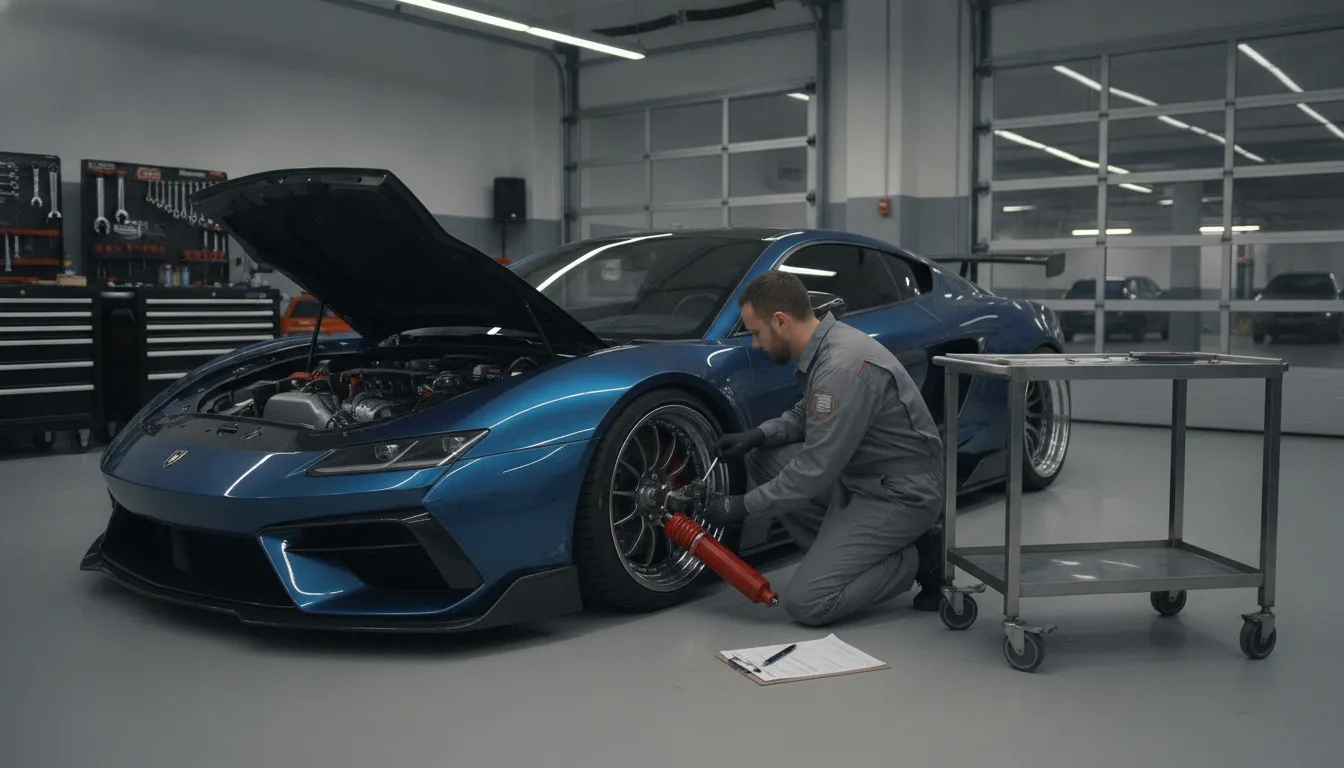
One aftermarket part can become a manufacturer’s favorite excuse for denying an otherwise valid warranty claim. Yet a modification alone does not prove that it caused the defect.
Request a free lemon law case review with Kahn & Associates, backed by more than $65 million recovered for consumers and a 97% win rate including cases filed in court. Call the firm or use our contact form.
A lemon law modified vehicle may still qualify for relief when an aftermarket part or alteration did not cause the recurring defect. Manufacturers can deny warranty coverage for damage tied to a modification, but they should not treat every unrelated problem as excluded. The key evidence includes repair orders, warranty terms, diagnostic findings, and records showing when the defect began. Eligibility also depends on the law that applies, the vehicle’s warranty status, and whether the manufacturer received a reasonable chance to repair the problem. An experienced lemon law attorney can evaluate the claimed connection between the modification and defect. The attorney can also identify whether state lemon law, the Magnuson-Moss Warranty Act, or another warranty law may support a claim against the manufacturer.
The central question is not simply whether the vehicle was changed. It is whether that change caused the problem now covered by the claim. That cause-and-effect dispute often decides whether warranty coverage remains available. So, does modifying a vehicle automatically defeat a lemon law claim? Here is how.
No. A modification alone does not automatically decide whether a vehicle may qualify for lemon law relief. The key issue is often the link between the change and the defect at the center of the claim. State law, warranty terms, repair history, and the facts of each case can also affect the result.
A manufacturer may argue that an added part or altered system caused the reported problem. Yet that argument does not make every defect the owner’s fault. The Federal Trade Commission explains that warranty coverage cannot be denied solely because a consumer used a third-party part or service.
The type and location of a modification matter. A performance tune may raise questions when the claim concerns engine trouble. Altered suspension parts may draw review when steering or ride defects appear. In each example, the changed part touches the system that failed, so the cause becomes a key point.
That does not mean the change caused the failure. Repair records, diagnostic codes, inspection notes, and the timing of each problem may help show what happened. The manufacturer can refuse warranty coverage for damage caused by a third-party part or service. Its decision should focus on the affected defect, not the mere presence of another part.
Proof is often more useful than broad statements. Keep invoices that name the installed part, the installer, and the date of the work. Save the original parts when practical. Also keep every repair order that describes the same defect, including visits made before and after the modification.
These records can help separate cause from coincidence. They can also show whether the dealer had repeated chances to address the covered problem. The FTC’s federal warranty guidance explains that a warrantor must show the connection before denying coverage based on an unauthorized part or service.
Some changes have little connection to the problem under review. Window tint, a vinyl wrap, or different seat covers would not usually explain a transmission failure. A roof rack would not usually explain a faulty infotainment screen. Still, no category creates an automatic result because the full facts must be reviewed.
Consider a truck with aftermarket wheels and a recurring air-conditioning defect. The wheels may be unrelated to the cooling system complaint. The same wheels could become more relevant if the claim concerns vibration, wheel bearings, or suspension wear. The question remains whether the change caused or contributed to that specific problem.
Timing can sharpen that question. A defect documented before the modification may be harder to blame on a later change. A new problem that starts soon after work on the same system may require closer review. Clear repair orders should state the owner’s complaint, the dealer’s findings, and all work performed.
Warranty status matters as well, especially for a used vehicle. The firm’s guide to whether lemon law applies to used cars explains the role of the original manufacturer warranty. A modification dispute does not replace the need to confirm that the defect and vehicle fall within the applicable law.
For a lemon law modified vehicle claim, avoid assuming that one added part ends the inquiry. Focus instead on the covered defect, the repair attempts, and any proof about cause. A careful review can distinguish an unrelated change from one that caused or worsened the problem.
Causation asks whether a modification caused the defect at issue. It does not ask only whether the vehicle has aftermarket parts. The answer often depends on which system was changed, which system failed, and what the repair records show.
This distinction matters because a manufacturer may refuse warranty coverage for damage caused by a third-party part or service. Yet the FTC explains that third-party parts alone do not void warranty coverage. A careful review should connect each claimed defect to the vehicle’s repair history and modifications.
A modification is more likely to raise a causation dispute when it changes the same system that keeps failing. For example, an engine tune may become an issue in a claim based on engine damage. An altered suspension may draw scrutiny when the reported defect involves steering, ride control, or uneven tire wear.
Other changes may have no sound link to the defect. Tinted windows would not usually explain a failing transmission. Seat covers would not normally cause repeated engine stalling. Cosmetic changes tend to matter less because they do not alter mechanical or electronic performance.
| Modification and defect | Possible causation issue | Key question |
|---|---|---|
| Engine tune and engine failure | Potentially related | Did the tune affect the failed part? |
| Lift kit and steering problem | Potentially related | Did changed geometry cause the problem? |
| Aftermarket stereo and battery drain | Potentially related | Did its wiring create the drain? |
| Window tint and transmission failure | Likely unrelated | Is there any mechanical connection? |
| Seat covers and engine stalling | Likely unrelated | Can the manufacturer explain a link? |
A manufacturer may point to timing, installation work, diagnostic codes, or changes from factory specifications. It may argue that the defect began after the modification or arose in a part affected by it. That argument does not settle the issue by itself.
For federal warranty coverage, the evidence should show a link between the modification and the denied repair. The FTC’s warranty guidance places the burden on the warrantor when it claims an unauthorized part or service caused the damage. State lemon law rules and the facts of each claim may still affect the result.
A broad statement such as “modified vehicle” may hide the key details. The sound question is narrower: what was changed, what failed, and how are those two facts connected? A modification can complicate one claimed defect without explaining every other defect in the vehicle.
Repair orders can show when a symptom began, how often it returned, and what technicians found. Installation invoices, part details, photos, and messages may also help establish the timeline. Keep original parts when practical. An inspection may help show whether the change affected the failed system.
Consumers should also record each repair visit and describe symptoms in clear, consistent terms. The firm’s overview of lemon law and manufacturer warranty claims provides useful context for reviewing repeated defects. Strong records do not guarantee an outcome, but they make the causation question easier to assess.
Adding an aftermarket part does not always end the manufacturer’s warranty for the whole vehicle. The Federal Trade Commission explains that a company cannot deny coverage solely because a consumer used a third-party part or repair shop. The warranty terms, the failed system, and the cause of the problem still matter.
A manufacturer may deny coverage for damage caused by a third-party part or service. That exclusion may apply to the affected component without reaching an unrelated factory defect. For example, a dispute about an added suspension part may differ from a claim involving a faulty factory screen. Each issue needs its own cause analysis.
In a lemon law modified vehicle claim, the key question is often whether the change caused the reported defect. Under federal warranty rules, a warrantor generally must show that connection before denying coverage on that basis. The FTC’s federal warranty law guide explains the rules that govern warranty restrictions and exclusions.
A modification that affects the same system as the defect may create a harder dispute. Engine tuning may be relevant to an engine problem, while custom floor mats are unlikely to explain it. Still, the result can depend on the evidence, the written warranty, and the law that applies.
Warranty coverage and lemon law rights are related, but they are not identical. A narrow warranty exclusion may affect one repair without deciding every part of a lemon law claim. State rules also differ. A consumer should not assume that one denied repair ends the matter.
The vehicle’s warranty status can also shape the analysis. This matters when owners ask whether lemon law applies to used cars still covered by the original manufacturer warranty. A careful review should separate the modified component, the claimed defect, and any unrelated warranty problems.
Consumers should keep reporting defects and giving the manufacturer a fair chance to repair them. They should also avoid guessing about the cause in repair paperwork. Clear records help show what failed, when it failed, and whether the modification had any role.
Preserve the vehicle’s current condition before anyone removes, replaces, tunes, or resets anything. A clear record can help separate the original defect from the modification. It also gives your attorney a useful timeline if a manufacturer disputes a lemon law modified vehicle claim.
This record matters because a company may refuse coverage for damage caused by a third-party part or service. Yet it cannot deny coverage solely because you used one. The Federal Trade Commission explains this key distinction for warranty coverage.
Start before a shop returns the vehicle to stock or changes the modified system. Save copies in two places, and keep the original files unchanged. Use this checklist to build a record that another person can follow.
Diagnostic codes can disappear after a reset, while removed parts can be lost or discarded. Photos alone may not show when a change occurred. Pair each image with dated records, mileage, and a short note that explains what it shows.
Keep original files rather than edited copies. Avoid cropping out context, changing file dates, or adding marks over key details. If safe and practical, store removed parts without cleaning, repairing, or taking them apart until an attorney reviews the dispute.
Do not conceal a modification, remove labels, alter records, or tell a shop to omit it from a repair order. That conduct can harm your credibility and make the defect harder to assess. Instead, describe the part, installer, date, and purpose in plain terms.
A modification does not automatically end lemon law rights. The key question is often whether it caused the claimed defect. Kahn & Associates explains how a modified vehicle may still support a lemon law claim, depending on the facts. Share the full evidence file with counsel before making further changes.
A repair order creates a dated record of what you reported, what the shop checked, and what work it performed. That record can help connect a recurring defect to repeated warranty repair visits. For a lemon law modified vehicle, clear records also help separate the reported defect from unrelated aftermarket changes.
Keep every repair order, invoice, inspection report, and written message about the problem. These records may help an attorney assess a manufacturer warranty claim. They should show the vehicle’s mileage, visit dates, symptoms, diagnosis, parts replaced, and time out of service.
Tell the service adviser exactly what the vehicle does, when it happens, and how often it occurs. Use plain details such as speed, weather, warning lights, sounds, or driving conditions. Avoid broad statements such as “car acts strange” because they give the technician little to test.
Ask the adviser to write your symptoms on the repair order before work begins. If a modification is near the affected system, disclose it and bring its installation records. The FTC explains that a company cannot deny warranty coverage solely because a third-party part or service was used. Coverage may still be refused for damage caused by that part or service.
Read the final repair order before you leave the shop. Make sure it accurately states your complaint and the work performed. Check the dates, mileage, parts, test results, and technician notes. Also confirm whether the shop verified the concern or could not repeat it.
A note stating “could not duplicate” still documents that you sought warranty service. It should not replace the symptom details you gave the adviser. Ask for a printed or digital copy after every visit, even when no repair was made.
Ask for a correction before signing if the repair order leaves out a symptom, visit date, or repair attempt. Be calm and specific. Request that the adviser add the missing fact to the order rather than relying on a verbal promise.
If the shop will not revise the order, send a prompt email that lists the missing or incorrect details. Save that email with the repair record. Keep a simple visit log that tracks each complaint, repair, mileage reading, and day the vehicle was unavailable.
Focus the record on warranty defects and repair efforts, not accusations against the dealer. A complete file helps show whether the manufacturer had fair chances to address the same issue. It also helps explain whether a modification relates to the defect at all.
A lemon law modified vehicle claim does not turn on one test that applies in every state. The governing rules may differ in Ohio, Florida, Michigan, North Carolina, and Pennsylvania. The vehicle’s repair history, warranty status, use, and location can all affect which law may apply.
The key issue is often the link between the modification and the defect. A lift kit may matter in a suspension dispute but have little bearing on an unrelated screen failure. The exact facts must be reviewed under the law that covers the vehicle and claim.
State-specific details can also change how a claim is assessed and what remedy may be available. That is why broad online statements about repair counts, mileage, or automatic eligibility can mislead. A careful review should start with the warranty, repair orders, modification records, and the facts behind each dealer visit.
A modification does not automatically erase a manufacturer’s warranty. The Federal Trade Commission explains that a company cannot deny coverage solely because a consumer used a third-party part or service. Coverage may still be denied for damage caused by that third-party part or service.
This cause-and-effect question is central when a manufacturer blames an aftermarket part. Under federal warranty law, the manufacturer must show why the modification caused the covered defect. The FTC’s federal warranty guidance explains the rules that apply to written consumer warranties.
The warranty terms also help define the systems and repairs covered by the manufacturer. A current warranty can be important for new vehicles and for some used vehicles. The firm’s guide to whether lemon law applies to used cars explains why manufacturer warranty status matters.
A state lemon law claim and a Magnuson-Moss manufacturer warranty claim are not the same path. One may fit the facts even when the other is uncertain. The right analysis depends on the applicable state law, the warranty language, the defect, and the claimed effect of the modification.
Good records help separate a vehicle defect from a modification dispute. Keep every repair order, warranty document, purchase record, modification invoice, and message from the dealer or manufacturer. Photos and installer records may also help show what changed, when it changed, and which system was involved.
No single checklist can decide every modified-vehicle claim across five states and federal law. A case review can compare the defect, modification, warranty, and repair history. It can then identify which state or federal warranty claim may fit the documented facts.
Before changing or removing a part, request a free case review with Kahn & Associates. Call the firm or use our contact form so we can review your evidence and help you understand your options.
No. A manufacturer cannot void a warranty solely because a vehicle has an aftermarket part. The Federal Trade Commission explains that coverage may be denied when a third-party part or service caused the claimed damage. Coverage for unrelated defects should remain available under the warranty.
A modification does not automatically disqualify a vehicle from lemon law protection. A claim can become harder if the manufacturer shows that the modification caused the recurring defect. Changes affecting performance, electronics, suspension, or the system under repair often receive closer review than cosmetic changes.
Keep receipts for every part, installation invoice, warranty document, and maintenance record. Also save photographs, diagnostic reports, repair orders, and communications with the dealer or manufacturer. These records can show when the modification occurred, who installed it, and whether the recurring defect existed before or arose after the work.
Yes. A manufacturer may deny coverage for a specific defect or damage caused by an aftermarket part while leaving unrelated warranty coverage intact. Under federal warranty guidance, the manufacturer must connect the modification to the claimed defect. A denied repair does not necessarily mean the vehicle’s entire warranty is void.
Waiting to address a warranty dispute can leave you paying for repairs while important questions about aftermarket parts or vehicle modifications remain unresolved. Starting now gives your attorney more time to review repair orders, warranty terms, modification records, and the manufacturer’s reasons for denying coverage. An early review can help you understand which details matter, avoid preventable missteps, and choose a practical path for pursuing your claim.
Ready to clarify your options? Contact Kahn & Associates to request a free case review and talk with a lemon law attorney about your next step. Gather the repair orders, warranty records, and modification details you already have so the team can assess your situation without avoidable delays.
*Disclaimer: The information contained in this Website is provided for informational purposes only, and should not be construed as offering legal advice, or creating an attorney client relationship between the reader and the author. While we aim for accuracy, the law is constantly changing and we make no guarantees regarding the completeness or timeliness of the information. You should not act or refrain from acting on the basis of any content included in this Website without seeking appropriate legal advice about your individual facts and circumstances from an attorney licensed in your state.
To see if you qualify, fill out the form below or call us at 1-888-536-6671 – No Office Visit Needed!

I had a great experience with Kahn & Associates! They made the process of dealing with an extremely frustrating lemon situation painless. They have very quick response times and everyone I dealt with was very friendly and helpful. Would definitely recommend!
Kahn and Associates did an awesome job with our lemon law case! We were getting nowhere with VW Customer Service and decided to hire an attorney who specialized with lemon law cases. We couldn’t be happier with the outcome. We were able to get a full refund on our lemon VW Atlas.
What a great experience! I was on the fence about hiring an attorney for my ongoing automotive issues and continued frustration with the manufacturer. It was a very simple process and I am very grateful Kahn and Associates for helping get me a settlement!
Real Honest attorneys!!! They are the real deal! I went back and forth with them and they explained to me every step and my rights under the law! I give them 5 stars because I won!!! Yes and my check is coming to me much sooner than I thought! I was stuck ! I own a brand new car and the dealer was giving me a hard time !

This page has been written, edited, and reviewed by a team of legal writers following our comprehensive editorial guidelines. This page was approved by Attorney Craig A. Kahn, who has more than 20 years of legal experience in lemon law.
You did everything right. You researched different models, took a test drive, and negotiated a fair price. ...
A vehicle that spends more time at the dealership than is reasonable is a big costly burden. The North Caro...
If your vehicle has been in the shop for the same defect over and over, you are probably wondering one thin...

Stuck with a defective car in Ohio? State Lemon Laws protect you. Get a refund, replacement, or cash settlement. Learn your rights today!

Florida Lemon Laws cover new and used vehicles. If your car’s a lemon, you deserve compensation. Let us help you fight for justice!

Michigan’s Lemon Law protects you from faulty vehicles. Don’t settle for endless repairs—claim your refund or replacement now.

North Carolina Lemon Laws ensure defective vehicles are replaced or refunded. Know your rights and take action today!

Pennsylvania Lemon Law covers new cars with repeated issues. Get the compensation you deserve. Click to learn more!
To see if you qualify, fill out the form below or call us at 1-888-536-6671 – No Office Visit Needed!

The Truth About Attorney’s Fees in Lemon Law Cases Learn more
*Disclaimer: The information contained in this Website is provided for informational purposes only, and should not be construed as offering legal advice, or creating an attorney client relationship between the reader and the author. While we aim for accuracy, the law is constantly changing and we make no guarantees regarding the completeness or timeliness of the information. You should not act or refrain from acting on the basis of any content included in this Website without seeking appropriate legal advice about your individual facts and circumstances from an attorney licensed in your state.

 Message Us
  Call Us