
Have A Case? Call Us
1 888-536-6671
60 Second Lemon Law Assessment™
60 Second Lemon Law Assessment™
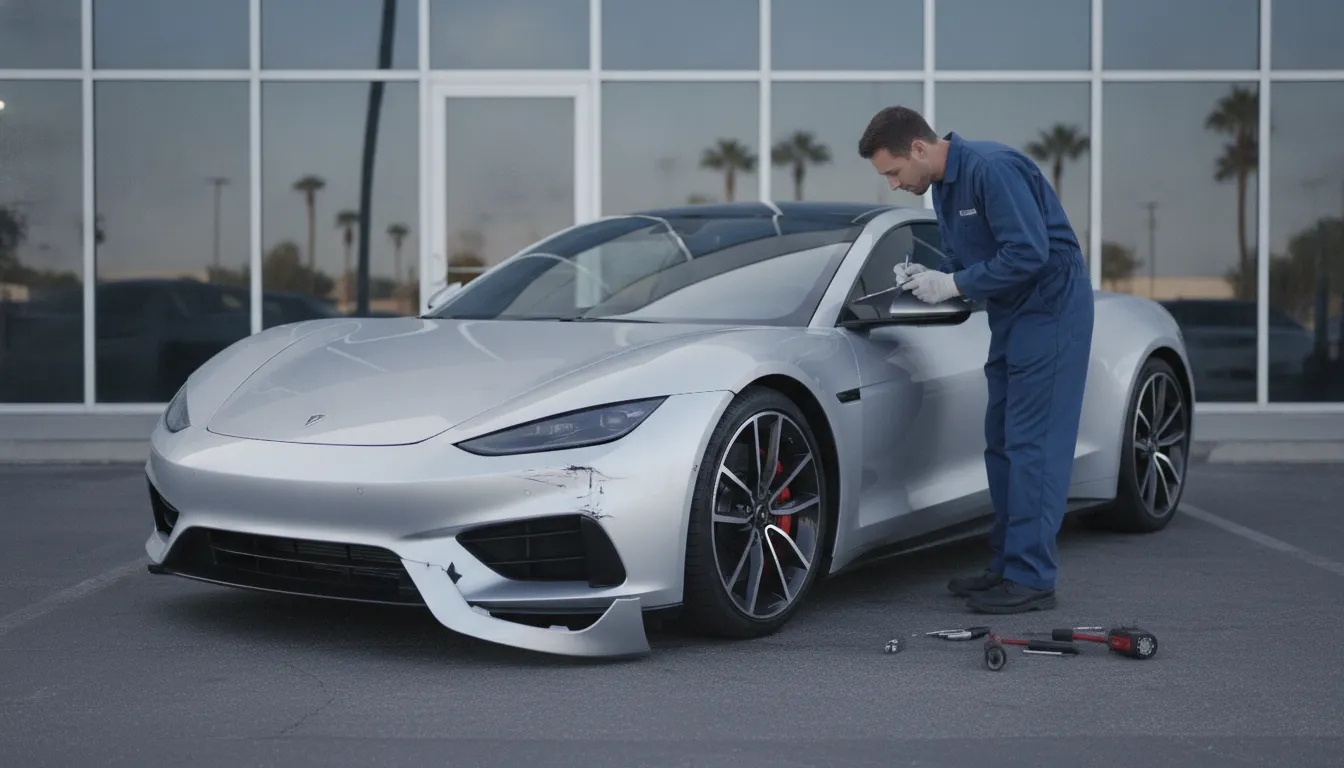
A collision does not automatically erase a valid lemon law claim. What matters is whether the recurring problem began with a manufacturing defect or resulted from accident damage.
Start your free lemon law review to share your accident and repair records.
Whether you can have a lemon law case after an accident questions turn on whether the unresolved problem is a warrantable manufacturing defect under an active warranty or damage caused by the collision. An accident alone may not end a claim, especially when repair records show that the defect appeared before the crash or affects an unrelated system. However, accident-caused damage and non-warranty collision repairs generally do not support lemon law relief or count as manufacturer repair attempts. Keep every warranty order, collision estimate, photograph, and service record because the manufacturer may argue that the crash caused the defect.
Can you pursue lemon law after an accident? The answer depends on timing, causation, warranty coverage, and records that connect each repair to its source. To separate collision damage from a defective vehicle, start with the core eligibility question. Here’s how.
An accident usually does not end a possible lemon law claim. The key issue is causation. Did the problem come from the collision, or was it a manufacturer-warranty defect that existed apart from it? That question depends on the facts and the law in the state where the claim arises.
State laws may exclude collision-caused problems or apply different eligibility standards. For example, Ohio Revised Code Section 1345.72 addresses a manufacturer’s duty to repair qualifying nonconformities, while Florida Statutes Chapter 681 contains Florida’s motor vehicle warranty enforcement provisions. These state sources use their own terms and procedures, so the facts must be reviewed under the law that may apply.
Readers can also review Kahn & Associates’ lemon laws overview and Florida Lemon Law information for service-page context.
The timing and nature of the defect often shape the causation dispute. A transmission problem documented before a rear-end collision may be easier to separate than a steering problem first reported after front-end damage.
Neither timeline proves causation by itself, but it helps frame the dispute. The manufacturer may argue that impact damage caused or worsened the reported problem. The consumer may point to earlier complaints, repair visits, or diagnostic codes that show a recurring warranty defect.
An expert inspection may also help separate collision damage from a defect. The inspection should address the damaged parts, the repair work, and the likely source of the recurring problem.
A lemon law claim after accident damage must keep two repair tracks clear. Collision repairs generally address damage caused by the crash. Warranty visits address a defect that the manufacturer or its authorized dealer must address under the warranty.
The same vehicle can have both types of repairs. A body shop may repair damaged panels while an authorized dealer later examines a recurring engine problem. Keep invoices from both facilities, and do not treat collision work as a warranty repair attempt.
Our guide to lemon law coverage explains how warranty defects fit within a claim. Whether a specific defect qualifies still depends on the applicable law and the vehicle’s repair history.
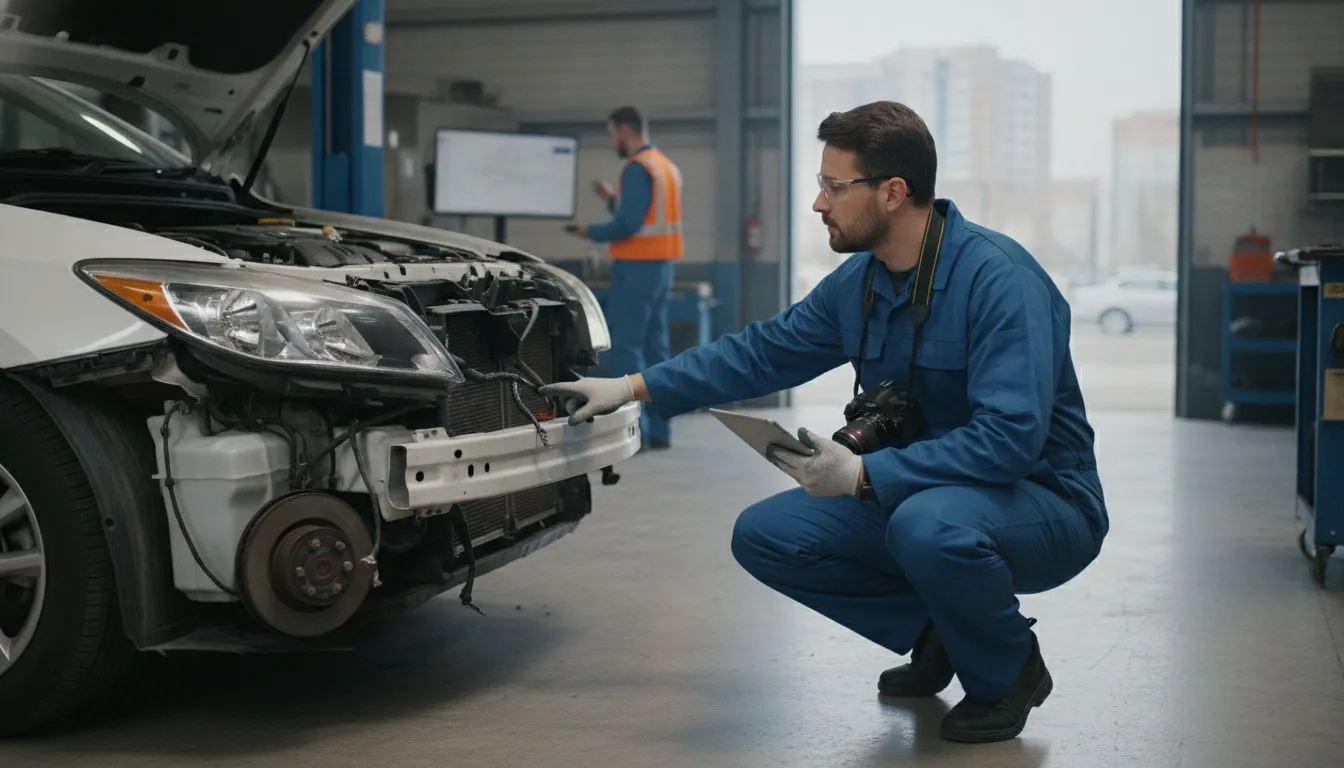
The timeline often provides the clearest starting point. A defect documented before the crash may be easier to separate from later collision damage. A symptom that first appears right after the crash may require closer review.
The impact location and severity also help frame the issue. A rear impact may have little connection to a long-running front-engine problem. Yet a severe crash can affect several systems, making the source less clear. Records showing the same warning, noise, or failure before and after the accident can help explain an overlap.
The following comparison shows how common evidence may point in different directions. No single item decides causation on its own. The full record should show whether the manufacturer had repeated chances to repair a warranty-covered problem.
| Review point | Accident-related damage | Recurring covered defect |
|---|---|---|
| First report | Starts after the collision | Documented before the collision |
| Location | Matches the impact area | Separate from the impact area |
| Symptoms | New issue after the crash | Same issue across visits |
| Diagnostics | Codes or findings tied to impact | Repeated findings tied to the defect |
| Repair record | Body shop or collision repairs | Authorized warranty repair attempts |
A covered defect must fall within the express warranty. The manufacturer must also have a chance to repair it. An overview of lemon law coverage can help distinguish a warranty concern from collision work. Body shop visits and accident repairs do not prove that the manufacturer failed to fix a defect.
Diagnostic reports can connect symptoms to a system, part, or fault code. They can also show whether a condition changed after the accident. Useful records include repair orders, technician notes, scan results, photos, insurance estimates, and the collision repair invoice.
Repair orders should state the complaint in clear and consistent terms. Keep records from both before and after the crash, even when a visit seems unrelated. Dates, mileage, and days out of service help build a reliable timeline. That timeline also helps an attorney assess lemon law eligibility requirements without treating every repair as the same type of event.
Overlapping symptoms deserve special care. A warning light, steering issue, or electrical fault may have more than one possible source. Ask the repair facility to record its findings and the reason for each repair. Avoid relying only on a brief invoice label, such as “accident damage” or “could not duplicate.”
A collision does not always erase every part of a manufacturer’s warranty. The key question is what caused the problem now being presented for warranty repair. Collision damage and a separate covered defect may require different answers under the same warranty.
That distinction also shapes a claim under lemon law after accident. The claim remains focused on the manufacturer’s failure to fix a covered defect. It does not turn collision repair into warranty work.
Manufacturers may deny coverage when they believe impact damage caused the reported problem. State lemon laws can also exclude accident-caused defects.
State rules and warranty terms differ, so the facts behind each complaint matter. The useful question is not simply whether the vehicle had a collision. It is whether the collision caused the defect for which the manufacturer denied or failed to provide warranty repair.
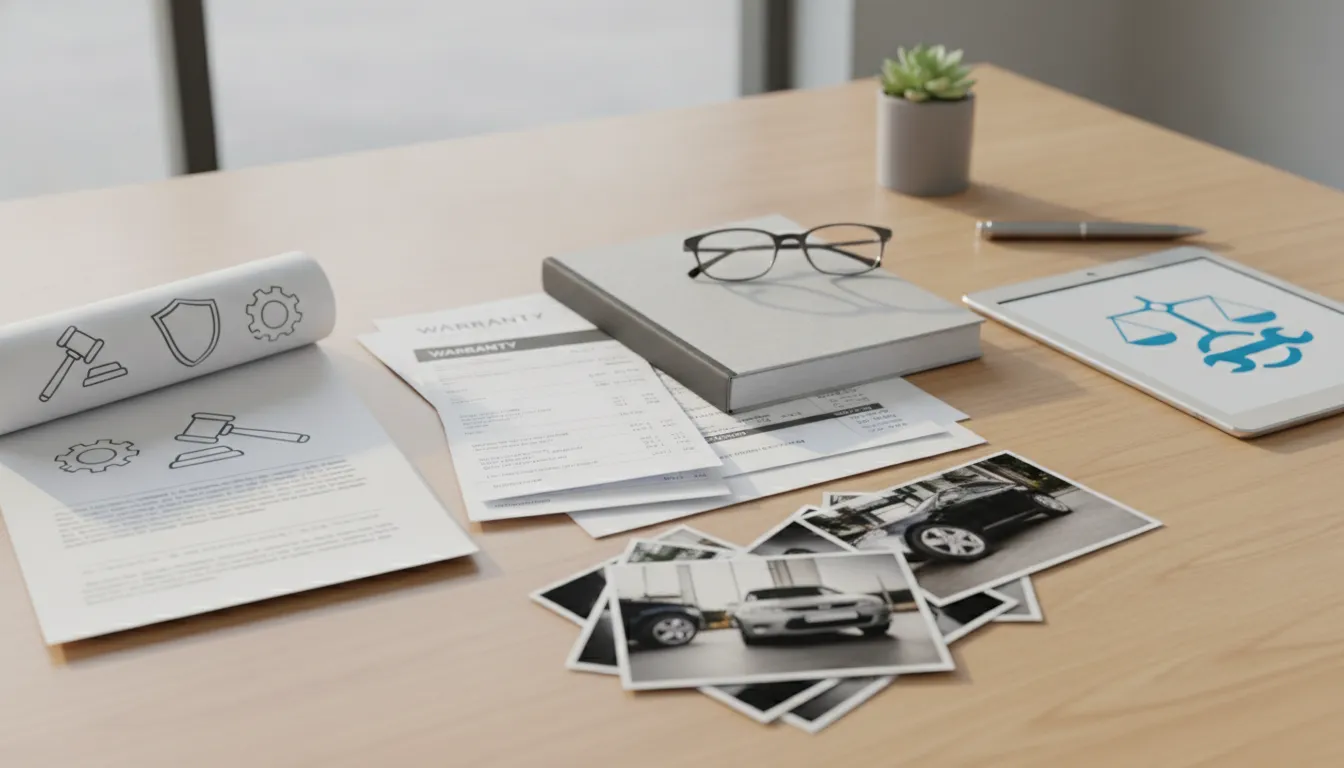
An attorney needs records that separate an existing warranty defect from damage caused by the crash. This distinction is central to a lemon law case review.
Start with documents that show the vehicle’s condition before and after the accident. Keep complete copies, including pages that seem routine. Dates, mileage, fault codes, and technician notes can help connect each problem to the right cause.
A clear sequence lets the attorney compare the same complaint across time. Pre-accident orders may show that a defect existed before the collision. The collision file and body-shop records then show what damage occurred and what the shop repaired.
Post-accident dealer records can show whether the old complaint continued or a new problem began. They also help distinguish warranty work from collision repair. This distinction matters because unauthorized repairs or changes may affect lemon law eligibility requirements.
Check each repair order before leaving the shop. Make sure it states the problem you reported, not only the dealer’s short summary. Ask for a corrected copy when dates, mileage, symptoms, or work performed are wrong.
Do not alter original records or guess at missing dates. Instead, label missing items and note who may have them. An organized file helps counsel assess the defect, repair history, and next steps for filing a lemon law claim.
If you have an accident, first move to a safe place if possible, call emergency services when needed, and follow all reporting rules. Photograph the vehicle, crash scene, warning lights, visible damage, and road conditions. Save dashcam footage before it is erased. Write down what happened while the details are still fresh.
Repair orders help show what failed, when the problem began, and whether authorized repair staff could fix it. An attorney may count reasonable repair attempts and review whether the vehicle spent an unreasonable amount of time at the repair shop. Repeated complaints before the collision can help separate an ongoing defect from later crash damage.
Counsel will compare the record with the relevant lemon law eligibility requirements. That review may include filing deadlines, repair rules, notice duties, and any required dispute steps. No single repair count or number of shop days proves eligibility in every case.
Yes, an accident does not automatically end a lemon law claim. However, the claim must concern a covered defect that the manufacturer failed to repair, not collision damage. Eligibility and deadlines vary by state, so the vehicle’s repair history and accident records matter.
Keep dated repair orders, warranty records, videos, photos, emails, and notes describing when the problem began. Ask each repair facility to state the reported symptom and completed work accurately. Records showing repeated complaints before the collision can help separate a manufacturing defect from accident damage. Also keep the police report, insurance estimate, and collision-repair invoice so the accident’s location and scope are clear.
Usually, collision repairs do not count as lemon law repair attempts because they address accident damage rather than a covered manufacturing defect. Qualifying attempts generally involve an authorized manufacturer representative trying to repair a defect covered by the express warranty.
They can, especially if the manufacturer argues that a body shop caused or changed the defect. Keep complete body-shop estimates, invoices, photos, parts lists, and technician notes. Continue taking warranty problems to an authorized manufacturer dealer and describe the symptoms accurately.
Waiting can make it harder to separate a vehicle’s original defect from damage tied to an accident. Starting now gives you time to gather repair orders, accident records, photos, warranty documents, and a clear timeline before details become harder to confirm. An early review can help you understand what information matters, what questions remain, and which practical next steps may fit your situation.
An accident does not mean you should guess about your options or let uncertainty delay a closer look at your possible claim. Ready to clarify your next step?
Request a free lemon law claim review to discuss your records and learn what to do next.
*Disclaimer: The information contained in this Website is provided for informational purposes only, and should not be construed as offering legal advice, or creating an attorney client relationship between the reader and the author. While we aim for accuracy, the law is constantly changing and we make no guarantees regarding the completeness or timeliness of the information. You should not act or refrain from acting on the basis of any content included in this Website without seeking appropriate legal advice about your individual facts and circumstances from an attorney licensed in your state.
To see if you qualify, fill out the form below or call us at 1-888-536-6671 – No Office Visit Needed!

I had a great experience with Kahn & Associates! They made the process of dealing with an extremely frustrating lemon situation painless. They have very quick response times and everyone I dealt with was very friendly and helpful. Would definitely recommend!
Kahn and Associates did an awesome job with our lemon law case! We were getting nowhere with VW Customer Service and decided to hire an attorney who specialized with lemon law cases. We couldn’t be happier with the outcome. We were able to get a full refund on our lemon VW Atlas.
What a great experience! I was on the fence about hiring an attorney for my ongoing automotive issues and continued frustration with the manufacturer. It was a very simple process and I am very grateful Kahn and Associates for helping get me a settlement!
Real Honest attorneys!!! They are the real deal! I went back and forth with them and they explained to me every step and my rights under the law! I give them 5 stars because I won!!! Yes and my check is coming to me much sooner than I thought! I was stuck ! I own a brand new car and the dealer was giving me a hard time !

This page has been written, edited, and reviewed by a team of legal writers following our comprehensive editorial guidelines. This page was approved by Attorney Craig A. Kahn, who has more than 20 years of legal experience in lemon law.
It starts with a flicker of doubt. That strange noise, the check engine light that won’t stay off, anothe...
Florida Lemon Law Guide: What Every Car Buyer Needs to Know If your new car keeps going back to the dealer...
You bought a used car, and it has been in the shop more than is reasonable. The engine stalls at intersecti...

Stuck with a defective car in Ohio? State Lemon Laws protect you. Get a refund, replacement, or cash settlement. Learn your rights today!

Florida Lemon Laws cover new and used vehicles. If your car’s a lemon, you deserve compensation. Let us help you fight for justice!

Michigan’s Lemon Law protects you from faulty vehicles. Don’t settle for endless repairs—claim your refund or replacement now.

North Carolina Lemon Laws ensure defective vehicles are replaced or refunded. Know your rights and take action today!

Pennsylvania Lemon Law covers new cars with repeated issues. Get the compensation you deserve. Click to learn more!
To see if you qualify, fill out the form below or call us at 1-888-536-6671 – No Office Visit Needed!

The Truth About Attorney’s Fees in Lemon Law Cases Learn more
*Disclaimer: The information contained in this Website is provided for informational purposes only, and should not be construed as offering legal advice, or creating an attorney client relationship between the reader and the author. While we aim for accuracy, the law is constantly changing and we make no guarantees regarding the completeness or timeliness of the information. You should not act or refrain from acting on the basis of any content included in this Website without seeking appropriate legal advice about your individual facts and circumstances from an attorney licensed in your state.

 Message Us
  Call Us