
Have A Case? Call Us
1 888-536-6671
60 Second Lemon Law Assessment™
60 Second Lemon Law Assessment™
by Kahn & Associates - June 26th, 2026
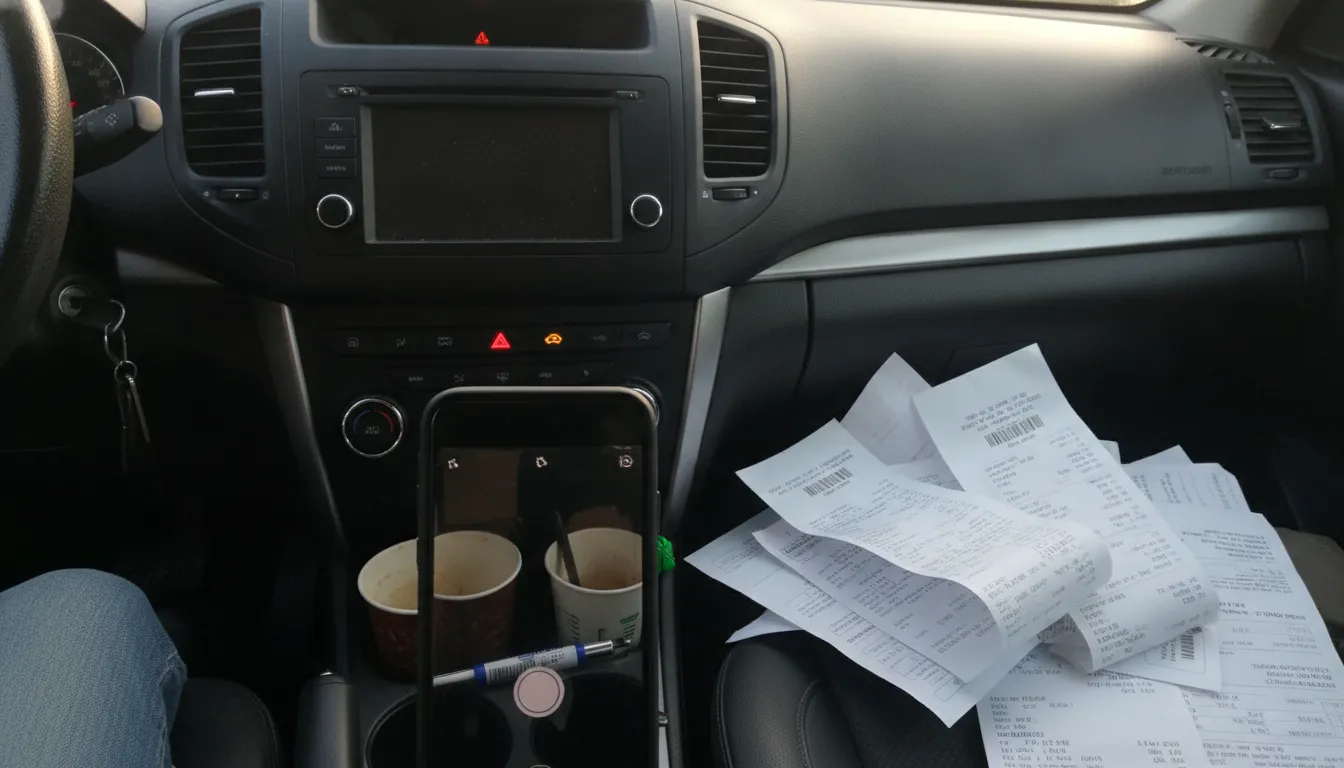
An intermittent vehicle problem can disappear before a technician sees it. That does not mean the problem is unimportant or that the visit should go undocumented. When you document intermittent car defect symptoms carefully, you give the dealership, manufacturer, and any attorney reviewing the matter a clearer record of what happened and when. The goal is not to prove a legal claim by yourself. It is to preserve accurate evidence while continuing to seek warranty repairs.
Want help reviewing your repair history? Schedule a free consultation with Kahn & Associates about a possible manufacturer breach of warranty or lemon law claim.
Start with a simple rule: report every occurrence and every repair visit. Record the conditions surrounding the problem, save communications, and review each repair order before leaving the dealership. Never drive unsafely or try to force a dangerous defect to happen again just to capture evidence.
Make a note as soon as it is safe after the defect occurs. A contemporaneous record is more useful than a vague description written weeks later. If the vehicle loses power, steering, braking, visibility, or another safety-related function, move to a safe location and follow the manufacturer’s roadside or towing guidance. Evidence is never worth risking a collision or further damage.
Use consistent language each time. For example, “engine lost power while accelerating from approximately 25 mph” is more useful than “car acted weird.” Specific descriptions may help a technician recognize a pattern and select an appropriate diagnostic process.
A photo can preserve a warning light that turns off before the dealership visit. A short video may capture an unusual sound, screen malfunction, or repeated start failure, among other things. Keep the vehicle parked and ask a passenger to record when appropriate. Do not hold a phone while driving, ignore traffic, or attempt to reproduce a hazardous symptom.
Preserve original files when possible. Their timestamps can help connect the event to your written log. Add a brief label that identifies the mileage and symptom, but do not edit away information that may matter later.
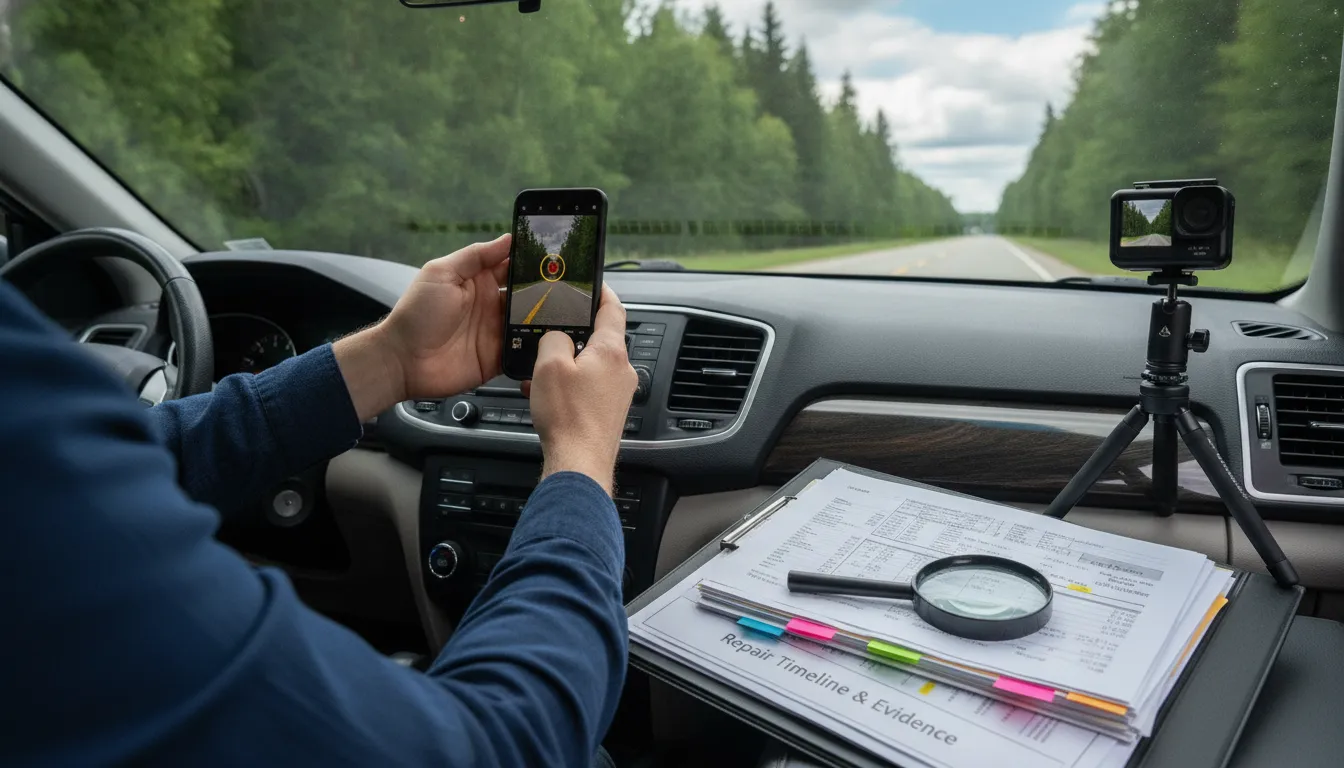
Technicians often describe an intermittent complaint as “could not duplicate” or “no problem found” when the symptom does not appear during the appointment. That phrase does not necessarily mean the consumer imagined the issue. It usually means the technician did not observe it during the available diagnostic window.
The difficulty is that an intermittent defect may depend on a combination of conditions. Temperature, battery charge, moisture, speed, load, software state, or the length of a trip may affect when it appears. A detailed record helps communicate those conditions without asking the consumer to diagnose the vehicle.
Documentation can also show that the consumer repeatedly gave the dealership an opportunity to inspect or repair the same concern. That history may matter in a manufacturer breach of warranty or lemon law claim. However, records alone do not guarantee that a vehicle qualifies under any law. The nature of the defect or condition, coverage, eligibility, required repair opportunities, and available remedies all matter.
A consumer may have a lemon after a reasonable number of repair attempts or after a reasonable amount of time out of service or at the repair shop. What is reasonable varies. Accurate repair orders and a clear chronology allow the relevant history to be evaluated rather than reconstructed from memory.
Every dealership visit should produce a repair order, even when the service department says it cannot duplicate the problem. The order creates a dated record that the vehicle was presented for inspection. Before signing or leaving, confirm that it accurately states the complaint you reported.
Ask the service adviser to record your words with enough detail to identify the recurring issue. If you say the vehicle stalled at a stoplight. The order should not merely say “check engine.” If the braking warning appeared three times during wet weather, ask that those details be included. Describe the behavior and circumstances, but avoid insisting that a particular component caused it unless a qualified technician has made that diagnosis.
Do not accept a verbal explanation as a substitute for the completed document. If the wording is incomplete or inaccurate, politely ask for a correction before leaving. A clear repair order protects the integrity of the timeline and gives the next technician a better starting point.
A useful claim file tells the story in order. Keep one folder, physical or digital, for repair orders, event notes, photos, videos, towing records, warranty documents, and communications. Save original documents and make backup copies. A simple spreadsheet can help organize the timeline without replacing the underlying evidence.
Record the date and time the dealership received the vehicle and when it was available for pickup. Note whether the vehicle remained overnight and whether parts delays extended the visit. The final repair order should reflect the correct dates. Your personal log can help identify discrepancies that should be corrected promptly.
Keep emails, text messages, appointment confirmations, case numbers, and letters. After an important phone call, make a dated note identifying the person, number called, and substance of the conversation. Keep the language factual. The purpose is to preserve what occurred, not to create an argument.
If a manufacturer representative opens a case, save the case number and follow any reasonable written instructions. Keep purchase or lease documents and the applicable warranty in the same file.
| Issue | Stronger record | Weaker record |
|---|---|---|
| Symptom | Specific description of what occurred | “Car is bad” or another general statement |
| Timing | Date, time, mileage, and duration | Approximate recollection months later |
| Conditions | Weather, speed, engine state, and driving activity | No surrounding details |
| Dealer visit | Complete repair order for every visit | Only verbal conversations |
| Warning light | Safe photo of dashboard while parked | Approximate recollection later |
| Communications | Saved emails, case numbers, and dated call notes | Unrecorded recollection |
Strong evidence is specific, contemporaneous, and organized. It does not need to be dramatic. A series of ordinary records may reveal a pattern that is difficult to see from one repair order. Weak evidence tends to be vague, incomplete, or created long after the event.
Accuracy matters more than volume. Do not exaggerate a symptom, alter a file, or claim the defect happened under conditions you did not observe. A concise, truthful log connected to repair records is easier to review than hundreds of unlabeled screenshots.
Ask the dealership to document the visit and your complaint anyway. The repair order should identify the symptom you reported, the diagnostic work performed. And the result. “Could not duplicate” should not erase the fact that you presented the vehicle for the concern.
Provide the service adviser with copies of relevant photos, videos, or event notes. Explain the conditions that tend to precede the symptom. Ask whether the manufacturer has issued relevant technical guidance or whether additional diagnostic steps are appropriate.
If the issue happens again, record it safely and return for service. Keep communications professional and preserve them. Repeated documented visits may help show the repair history, while undocumented complaints are harder to evaluate later.
When a safety-related defect occurs, prioritize safety over the appointment schedule. Stop driving when appropriate, arrange towing, and follow emergency and manufacturer guidance.
A chronological record can help an attorney assess whether the manufacturer received reasonable opportunities to address a warranty-covered issue and how long the vehicle was unavailable. It can also help identify missing documents or inaccurate repair-order wording before memories fade.
State lemon laws and the federal Magnuson-Moss Warranty Act involve different standards and remedies. Documentation is one part of the analysis, not a guarantee. Eligibility depends on where the vehicle was purchased or registered, warranty status, the nature of the defect, repair history, and other facts.
Kahn & Associates represents consumers with lemon law or breach of warranty claims involving defective vehicles in Ohio, Florida, Michigan, North Carolina, and Pennsylvania. Learn more about the federal lemon law and state-specific protections under Ohio lemon law, Florida lemon law, Michigan lemon law, North Carolina lemon law, and Pennsylvania lemon law. Consumer outcomes may include monetary compensation, a repurchase and loan payoff, and/or a new vehicle, depending on the circumstances. The firm charges clients no out-of-pocket fees or costs, win or lose.
Yes. A safely captured video may preserve a warning light, unusual sound, or screen malfunction that disappears before service. Record only while parked or with help from a passenger, and keep the original file.
Probably. The visit can still be important to the history. Request a complete repair order showing your complaint, the diagnostic work, dates, mileage, and the dealership’s result, including any statement that it could not duplicate the issue.
No. Good records help preserve and explain the facts, but they do not guarantee eligibility or an outcome. Applicable law, warranty coverage, repair opportunities, time out of service, and the nature of the defect all may matter.
Never try to recreate a defect in a way that risks safety. Describe the circumstances, share safely captured evidence, and follow appropriate towing, emergency, and manufacturer guidance.
If an intermittent defect continues despite repeated service visits, an organized record can make the history easier to evaluate. Contact Kahn & Associates to schedule a free consultation about a possible breach of warranty or lemon law claim against the manufacturer.
*Disclaimer: The information contained in this Website is provided for informational purposes only, and should not be construed as offering legal advice, or creating an attorney client relationship between the reader and the author. While we aim for accuracy, the law is constantly changing and we make no guarantees regarding the completeness or timeliness of the information. You should not act or refrain from acting on the basis of any content included in this Website without seeking appropriate legal advice about your individual facts and circumstances from an attorney licensed in your state.
To see if you qualify, fill out the form below or call us at 1-888-536-6671 – No Office Visit Needed!

I had a great experience with Kahn & Associates! They made the process of dealing with an extremely frustrating lemon situation painless. They have very quick response times and everyone I dealt with was very friendly and helpful. Would definitely recommend!
Kahn and Associates did an awesome job with our lemon law case! We were getting nowhere with VW Customer Service and decided to hire an attorney who specialized with lemon law cases. We couldn’t be happier with the outcome. We were able to get a full refund on our lemon VW Atlas.
What a great experience! I was on the fence about hiring an attorney for my ongoing automotive issues and continued frustration with the manufacturer. It was a very simple process and I am very grateful Kahn and Associates for helping get me a settlement!
Real Honest attorneys!!! They are the real deal! I went back and forth with them and they explained to me every step and my rights under the law! I give them 5 stars because I won!!! Yes and my check is coming to me much sooner than I thought! I was stuck ! I own a brand new car and the dealer was giving me a hard time !

This page has been written, edited, and reviewed by a team of legal writers following our comprehensive editorial guidelines. This page was approved by Attorney Craig A. Kahn, who has more than 20 years of legal experience in lemon law.
One of the first questions we hear from vehicle owners dealing with a defective car or truck is, "How much ...
There are many myths about consumer protection laws that stop people from getting the justice they deserve....
Let’s clear up a common myth: hiring a lawyer is always expensive. While that can be true in some legal f...

Stuck with a defective car in Ohio? State Lemon Laws protect you. Get a refund, replacement, or cash settlement. Learn your rights today!

Florida Lemon Laws cover new and used vehicles. If your car’s a lemon, you deserve compensation. Let us help you fight for justice!

Michigan’s Lemon Law protects you from faulty vehicles. Don’t settle for endless repairs—claim your refund or replacement now.

North Carolina Lemon Laws ensure defective vehicles are replaced or refunded. Know your rights and take action today!

Pennsylvania Lemon Law covers new cars with repeated issues. Get the compensation you deserve. Click to learn more!
To see if you qualify, fill out the form below or call us at 1-888-536-6671 – No Office Visit Needed!

The Truth About Attorney’s Fees in Lemon Law Cases Learn more
*Disclaimer: The information contained in this Website is provided for informational purposes only, and should not be construed as offering legal advice, or creating an attorney client relationship between the reader and the author. While we aim for accuracy, the law is constantly changing and we make no guarantees regarding the completeness or timeliness of the information. You should not act or refrain from acting on the basis of any content included in this Website without seeking appropriate legal advice about your individual facts and circumstances from an attorney licensed in your state.

 Message Us
  Call Us