
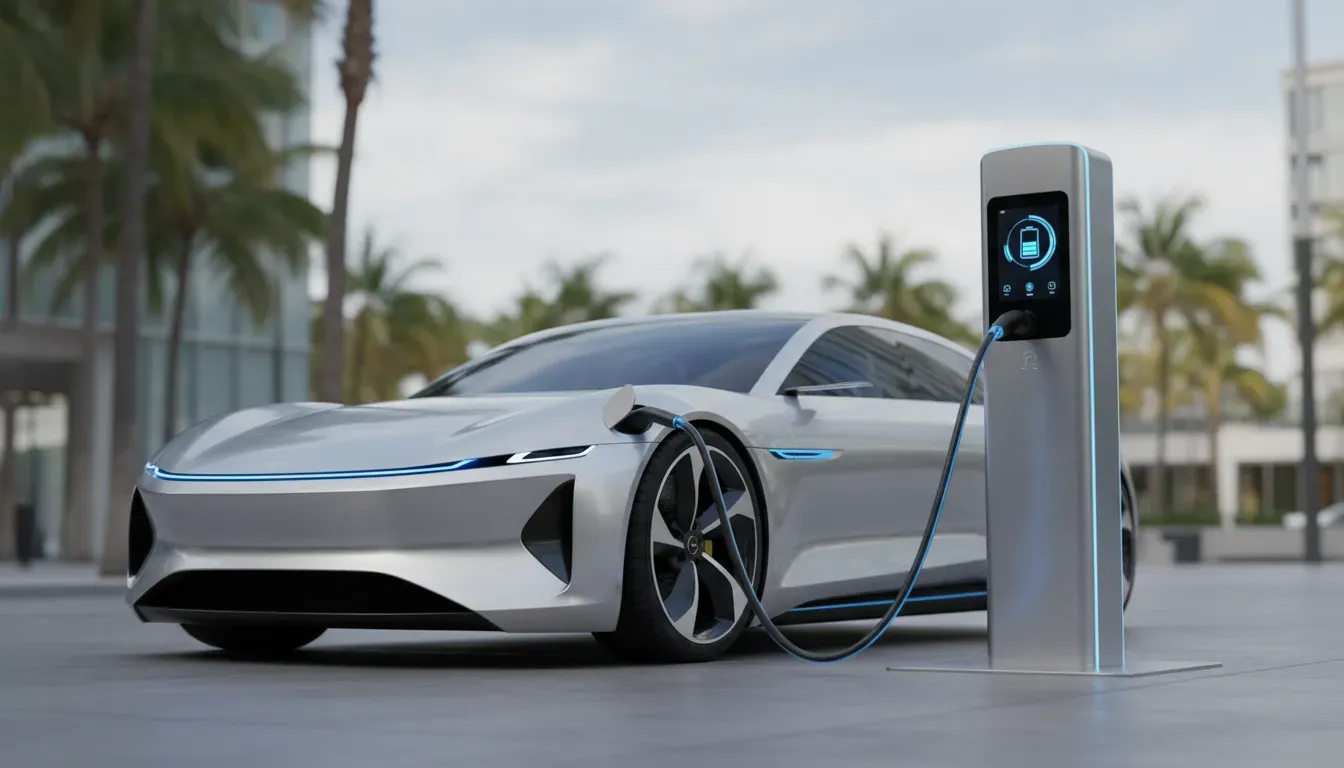
Electric Vehicle Lemon Law: Your Rights When an EV Has Defects
You bought an electric vehicle for the future — reliable, efficient, cutting-edge technology. Instead, you’re dealing with a battery that won’t hold a charge, a charging port that refuses to work, or software that crashes your dashboard at the worst possible moments. If your EV has been in the shop repeatedly without a lasting fix, you may have a lemon law claim — and the manufacturer may owe you a full refund or replacement.
Get Your Free EV Lemon Law Case Review →
Electric vehicle lemon law claims are one of the fastest-growing areas of consumer protection law, and for good reason: EV defects are real, they’re often serious, and many manufacturers are struggling to keep up with repair demand. At Kahn & Associates, we have been fighting for consumers against major automotive manufacturers for nearly 30 years, and we are handling EV lemon law cases across Ohio, Florida, Michigan, North Carolina, and Pennsylvania.
Key Takeaways
- Most state lemon laws apply to electric vehicles the same way they apply to traditional gas-powered cars — the vehicle type doesn’t change your rights.
- Common qualifying EV defects include battery degradation, charging system failures, software malfunctions, and electric motor problems.
- You typically need 3 or more repair attempts for the same defect — or 30 or more days out of service — to trigger lemon law protection.
- The Magnuson-Moss Warranty Act provides an additional federal layer of protection for EV owners whose vehicles have defects and nonconformities.
- Kahn & Associates handles EV lemon law cases in Ohio, Florida, Michigan, North Carolina, and Pennsylvania on a 100% contingency basis — you pay nothing unless you win.
Do Lemon Laws Cover Electric Vehicles?
Yes. Lemon laws in every state Kahn & Associates serves — Ohio, Florida, Michigan, North Carolina, and Pennsylvania — apply to electric vehicles the same way they apply to any new vehicle purchased or leased within the warranty period. The law does not distinguish between a combustion engine and an electric drivetrain. What matters is whether the vehicle has a substantial defect that the manufacturer has failed to repair after a reasonable number of attempts.
Hybrid vehicles — which combine a traditional engine with an electric motor and battery system — are also covered. If the defect involves the hybrid powertrain, battery, or any component covered by the manufacturer’s warranty, you have the same rights as any other new car buyer.
The key qualifying criteria under most state lemon laws are:
- The vehicle is a new car (or in some cases a certified pre-owned vehicle still under the original manufacturer’s warranty)
- The defect is substantial — it affects the vehicle’s use, value, or safety
- The defect appeared within the warranty period (typically the first 12–24 months or 12,000–24,000 miles, depending on the state)
- The manufacturer or its authorized dealers have had a reasonable number of attempts or amount of time to fix the problem
For a detailed breakdown of how each state defines these requirements, see our state-specific sections below.
Common EV Defects That May Qualify for Lemon Law Relief
Electric vehicles introduce entirely new categories of defects that did not exist in the era of traditional vehicles. Some defects are immediately obvious; others develop gradually and are harder to document. Here is what to watch for — and how each type fits into a lemon law claim.
Battery Degradation and Reduced Range
This is the most common — and most disputed — EV defect in lemon law claims. All lithium-ion batteries lose some capacity over time, and manufacturers typically allow for a percentage of degradation before they consider it a warranty defect.
However, when a battery degrades far faster than the manufacturer’s written warranty guarantees, or when range loss is severe enough to make the vehicle substantially less useful, you may have a claim. Key documentation for battery claims includes:
- Range readings at the time of purchase vs. current readings
- State of Health (SoH) percentage from dealer diagnostic reports
- Warranty documentation stating the battery capacity guarantee
- Service records for each visit where battery degradation was reported
If the dealer has told you the battery is “within spec” despite dramatic range loss, do not accept that answer without getting a second opinion. The threshold for what is “within spec” is often written into the warranty document itself, and manufacturers do not always apply it correctly.
Charging System Failures
Charging system defects are among the most clear-cut EV lemon law issues because they often render the vehicle unable to perform its basic function. An EV that fails to accept a charge — or charges unreliably, charges far more slowly than specified, or damages charging equipment — has a defect in its onboard charging system, not a problem with your home charger or public charging network.
Common charging defects include:
- Level 2 (AC) or DC fast charging failures
- Charge port door malfunctions preventing connection
- Charging system errors causing the vehicle to stop mid-session
- Onboard charger (OBC) failures requiring replacement
- Software-related charge limits the manufacturer cannot resolve
If the same charging defect has required multiple shop visits without a lasting fix, you have exactly the kind of documented repair history that supports a lemon law claim.
Software Glitches and Over-the-Air Update Problems
Modern EVs are software-defined vehicles — their performance, safety features, and driver interfaces are controlled by complex computer systems. When those systems fail, the consequences range from annoying to dangerous.
Qualifying software defects may include, but are not limited to:
- Touchscreen crashes, freezes, or complete failures
- Navigation, backup camera, or sensor malfunctions
- Driver assistance system failures (lane keeping, automatic emergency braking, adaptive cruise control)
- Over-the-air (OTA) updates that introduced new problems or made existing ones worse
- Repeated warning lights or error codes that cannot be resolved with software updates
One critical challenge: some manufacturers attempt to “fix” problems remotely through OTA updates rather than bringing the vehicle in for service. If an OTA update closes a service ticket without genuinely resolving the issue, it may not count as a legitimate repair attempt under your state’s lemon law. This is one reason having an experienced attorney review your case matters.
Electric Motor and Drivetrain Issues
Electric motors are generally more reliable than combustion engines, but they are not defect-free. Drivetrain problems — including motor failures, excessive vibration, unusual noises, regenerative braking malfunctions, and power delivery issues — can seriously impair the vehicle’s safety and usability. If your EV’s powertrain has required repeated repairs and the problem keeps returning, lemon law protection may apply.
Structural and Build Quality Defects
Lemon law protection is not limited to powertrain issues. Significant structural defects — water intrusion, door and panel misalignment, wind noise, or suspension problems — qualify when they affect the vehicle’s use, value, or safety. Some EV manufacturers have faced particular scrutiny for build quality issues that leave owners dealing with water leaks, inconsistent panel gaps, and rattles that dealers cannot resolve.
How Many Repair Attempts Do You Need?
The answer depends on your state, but a general rule applies across all five states Kahn & Associates serves: you typically need at least three repair attempts for the same defect, or a cumulative total of 30 or more days with the vehicle out of service for warranty repairs. Safety-related defects sometimes qualify with fewer attempts.
Keep these documentation habits from the day of your first repair visit:
- Get written repair orders for every visit. The repair order should describe the defect you reported — not just what the technician found or did.
- Keep every repair order, invoice, and correspondence. Lost documentation can significantly complicate a claim.
- Track days out of service accurately. Count every calendar day the vehicle is at the dealership or service center, including days it sat waiting for parts.
- Report the same defect consistently. If your battery range is the issue, describe it the same way each visit. Inconsistent descriptions can make it harder to show the same defect was never fixed.
Electric Vehicle Lemon Law by State
While the core lemon law principles are similar across the country, each state has its own statute with specific thresholds, timelines, and procedures. Here is how lemon law protection works for EV owners in the five states Kahn & Associates serves.
Ohio
Ohio’s lemon law (ORC 1345.71–1345.77) covers new vehicles and any defect that “substantially impairs” the vehicle’s use, value, or safety. For EV owners, this typically means the defect goes beyond minor inconvenience — a battery that consistently delivers significantly less range than warranted, a charging system that repeatedly fails, or a safety system that malfunctions would all be strong candidates. The defect must be reported within the first year or 18,000 miles. Visit our Ohio Lemon Law page for the complete process.
Florida
Florida’s lemon law covers new vehicles and the defect must be reported during the first 24 months or 24,000 miles following original delivery. Our Florida Lemon Law page outlines the specific process.
Michigan
Michigan’s lemon law (the Motor Vehicle Warranty Act) covers new vehicles during the warranty period but the specific time depends on the presumption being applied, whether its for repeated repair attempts or days out of service. Visit our Michigan Lemon Law page for the full framework.
North Carolina
North Carolina’s lemon law (the New Motor Vehicles Warranties Act) also covers new vehicles during the warranty period but the specific time depends on the presumption being applied, whether its for repeated repair attempts or days out of service. See our North Carolina Lemon Law page for details.
Pennsylvania
Pennsylvania’s lemon law covers new vehicles with defects reported during the first 12k miles or the warranty period following original delivery. For EV owners in Pennsylvania, it is especially important to document battery capacity and charging system issues early, since the coverage window is shorter than in some other states. Our Pennsylvania Lemon Law page provides a complete guide to your rights.
State-by-State EV Lemon Law Comparison
| State | Coverage Window | Repair Attempts Required | Days Out of Service | Attorney’s Fees |
|---|---|---|---|---|
| Ohio | 1 yr / 18,000 mi | 3+ (1 for serious safety) | 30+ calendar days | Yes |
| Florida | 24 mo / 24,000 mi | 3+ | 30+ calendar days | Yes |
| Michigan | Depends on Presumption | 4+ | 30+ calendar days | Yes |
| North Carolina | Depends on Presumption | 4+ | 20+ business days | Yes |
| Pennsylvania | 12k mi / Warranty Period | 3+ | 30+ calendar days | Yes |
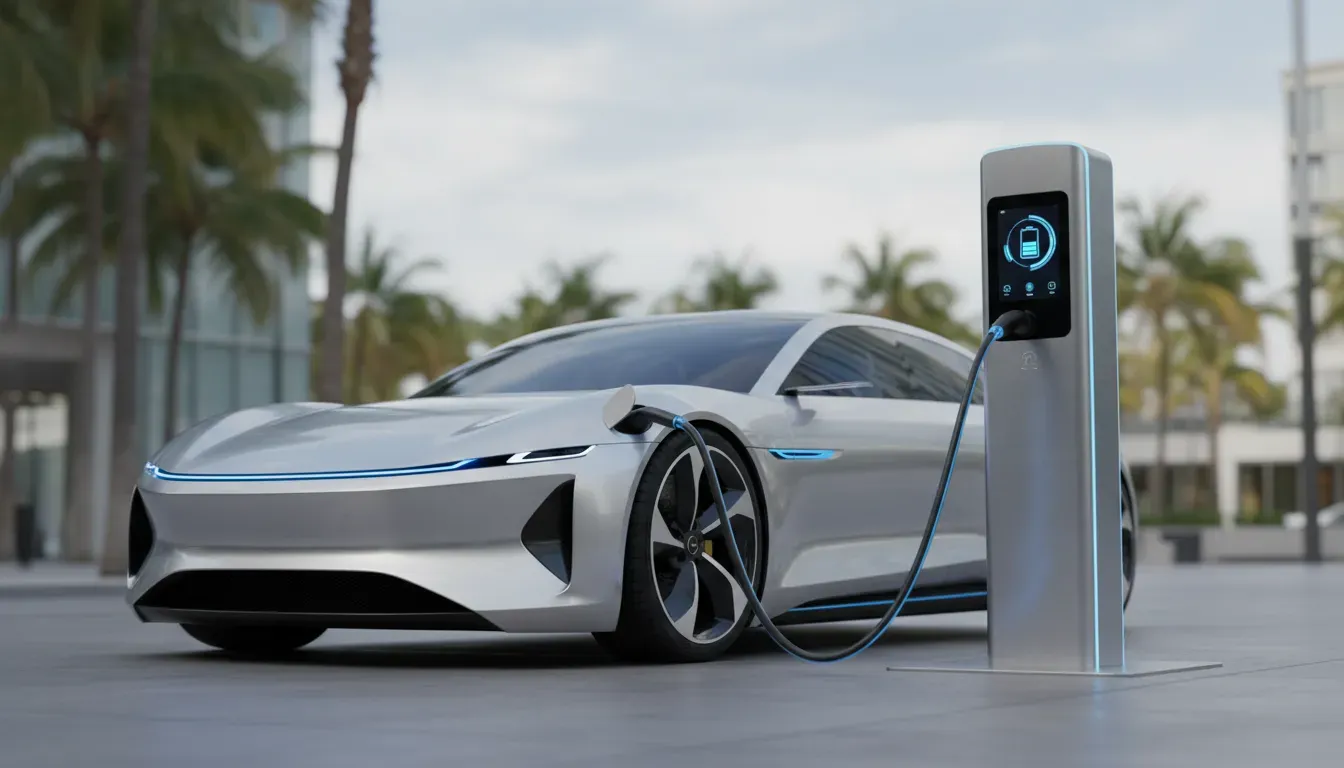
Ready to find out if your EV qualifies? Start your free 60-Second Lemon Law Assessment™ →
Federal Lemon Law Protection: The Magnuson-Moss Warranty Act
In addition to state lemon laws, federal law provides a second layer of protection for EV owners. The Magnuson-Moss Warranty Act (15 U.S.C. § 2301 et seq.) governs written warranties on consumer products — including vehicles. When a manufacturer fails to honor its written warranty after a reasonable number of attempts, you may have a federal claim even if your vehicle does not meet your state’s lemon law criteria.
The federal law is particularly relevant for EV owners because:
- EV manufacturers often provide separate, longer warranties for battery components (commonly 8 years or 100,000 miles under federal minimum standards for EV batteries)
- If a battery defect occurs outside your state’s lemon law window but within the battery warranty period, the Magnuson-Moss Act may still give you a remedy
- Federal claims can be combined with state lemon law claims to maximize your recovery
- Like state lemon laws, Magnuson-Moss allows for attorney’s fees to be paid by the manufacturer when the consumer wins
Our attorneys handle both state and federal warranty claims. You can learn more about federal protections on our Federal Lemon Law page.
What Remedies Can EV Lemon Law Claimants Receive?
If your EV qualifies under your state’s lemon law or the Magnuson-Moss Act, there are three primary remedies available:
1. Full Vehicle Buyback (Refund)
The manufacturer repurchases your vehicle and refunds your purchase price, including your down payment, monthly payments made, registration and title fees, and other incidental costs. The manufacturer may deduct a “reasonable use” allowance — a mileage-based offset for the miles you drove in some states. This is typically the most complete remedy for consumers who simply want out of a defective vehicle.
2. Replacement Vehicle
The manufacturer replaces your defective EV with a comparable new vehicle. In practice, this remedy is less common because it requires the manufacturer to agree on what “comparable” means, and many consumers prefer the certainty of a cash refund.
3. Cash Settlement (Cash-and-Keep)
You keep your vehicle at the time of settlement (you can always trade-in or sell at a later date) and receive a cash payment to compensate for the diminished value caused by the defect and the inconvenience of multiple repair attempts. This option makes sense if your car doesn’t qualify for state lemon law relieve or you still want the vehicle but deserve compensation for what you have endured. The settlement amount varies based on the severity of the defect, the number of repair attempts, and other factors. Learn more about how settlements are calculated on our lemon law settlements page.
The manufacturer may be responsible for paying your attorney’s fees and costs under both state and federal law — which is why Kahn & Associates is able to represent you on a completely contingency basis with no out-of-pocket costs to you, win or lose.
Unique Challenges in EV Lemon Law Claims
EV lemon law cases share the same legal framework as traditional vehicle cases, but several EV-specific factors can make them more complex to navigate without experienced counsel.
Manufacturer-Run Service Centers
Some EV manufacturers — Tesla is the most prominent example — do not use traditional dealerships. Instead, they operate their own service centers. This affects lemon law claims in two ways.
First, all repair attempts happen with the manufacturer directly, eliminating the “authorized dealer” question. Second, appointment wait times at manufacturer service centers are often longer, which can quickly add to your days-out-of-service count. Every day your vehicle sits waiting for an appointment still counts toward the threshold if the vehicle is not available for your use.
OTA Updates as Attempted Repairs
When a manufacturer pushes an over-the-air software update to address a reported defect, they may not log that update as a “repair attempt” — because you never brought your vehicle in. Whether an OTA update counts as a legitimate repair attempt depends on your state’s law and the specific facts of your case. An attorney can assess whether the manufacturer’s remote fix actually resolved the defect or simply closed a ticket.
The “Normal Degradation” Defense
When EV owners bring battery range claims, manufacturers frequently argue that the degradation falls within “normal” parameters. This defense requires a careful review of your specific warranty language, the manufacturer’s technical service bulletins, and your vehicle’s actual diagnostic data.
An attorney experienced in EV lemon law claims will know how to challenge this defense and how to demonstrate that your degradation exceeds what the warranty permits.
Documenting Intermittent Defects
Software and charging defects can be intermittent — they occur in the field but don’t always reproduce in the service bay. If a technician can’t replicate the problem, they may note “no defect found” on the repair order, which doesn’t help your claim.
Best practices: record video of the defect when it occurs, keep notes with dates and specific conditions, and insist that the repair order reflect the defect you reported even if the technician couldn’t reproduce it during the visit.
Frequently Asked Questions
Does lemon law cover EV battery degradation?
It depends on your state’s law and your specific warranty terms. If your battery’s capacity has fallen below the threshold guaranteed in your written warranty, and the manufacturer has failed to repair or replace it after a reasonable number of attempts, you may have a claim under your state lemon law, the Magnuson-Moss Warranty Act, or both. A free case review with Kahn & Associates will help you understand whether your specific situation qualifies.
Is a software glitch a “defect” under lemon law?
Yes, if it substantially impairs the vehicle’s use, value, or safety. A touchscreen that regularly crashes, a navigation system that fails, or an advanced driver assistance system that malfunctions can all be qualifying defects. The key is that the defect must be documented through repair visits and must persist after a reasonable number of fix attempts.
What if my EV is still within warranty but just outside the lemon law window?
You may still have a claim under the Magnuson-Moss Warranty Act, which applies to any breach of a written warranty regardless of state lemon law timelines. This is especially relevant for battery defects, where the federal minimum battery warranty period (8 years/100,000 miles) extends well beyond most state lemon law windows. Contact us to discuss your options.
Can I file a lemon law claim if I leased my EV?
Yes. Most state lemon laws, including those in Ohio, Florida, Michigan, North Carolina, and Pennsylvania, cover leased vehicles as well as purchased ones. The qualifying criteria are the same. Visit our guide to lemon law for leased cars for more detail.
Do I need to pay an attorney to file an EV lemon law claim?
No. Most lemon law attorneys work on a contingency basis, meaning they are only paid if you win or settle. Additionally, state and federal lemon laws provide a mechanism for manufacturers to pay your attorney fees and costs when a case is won or settled. If your case is not successful at our firm, you owe nothing.
How long does an EV lemon law case take?
The process can take approximately 60-120 days from demand to resolution, though complex cases and certain manufacturers and other factors may make it take longer. If the case does not settle pre-suit and you have to file a lawsuit, the court process may take six months to a year or more depending on the court.
Get a Free EV Lemon Law Case Review
If your electric vehicle has been back to the dealer or service center multiple times for the same problem — and the problem keeps coming back — you may be entitled to a full refund, a replacement vehicle, or a significant cash settlement. You do not have to navigate this process alone, and you do not have to pay anything upfront to find out where you stand.
Kahn & Associates has recovered more than $65 million for over 13,000 consumers in nearly three decades of exclusive lemon law practice as of the date of this article. We know these cases, the manufacturer representatives, how manufacturers argue against these cases, and we know how to get fair compensation.
Take our 60-Second Lemon Law Assessment™ today. Tell us about your EV, describe the defect, and we will tell you whether you have a case — at no cost and with no obligation. If you have a claim, we will fight for you on a 100% contingency basis: no recovery, no fees or costs. You pay nothing out-of-pocket, win or lose .
Have more questions? Visit our Frequently Asked Lemon Law Questions page for additional guidance.









 Message Us
  Call Us