
Have A Case? Call Us
1 888-536-6671
60 Second Lemon Law Assessment™
60 Second Lemon Law Assessment™
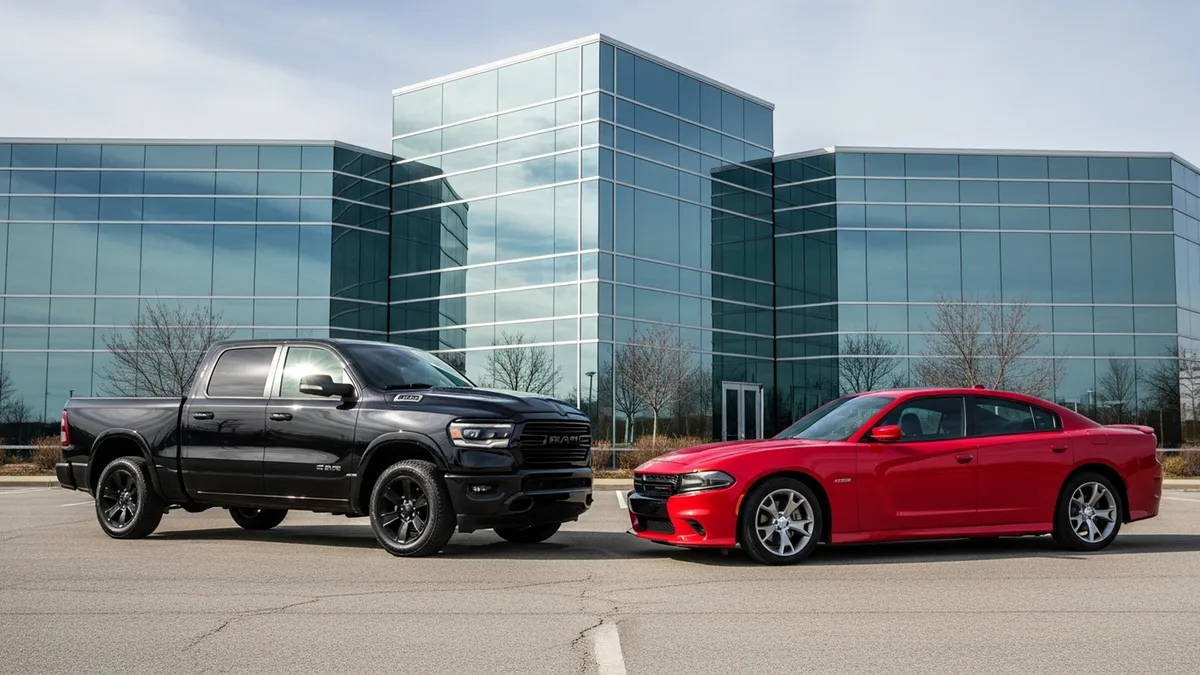
Kahn & Associates, L.L.C. has represented thousands of consumers with defective Dodge and Ram vehicles under both state and federal lemon laws since 1996. If your Dodge or Ram has a recurring defect that the dealer cannot fix, you may be entitled to a full buyback, replacement vehicle, or cash settlement at no out-of-pocket cost to you.
Key takeaways:
Dodge and Ram vehicles are some of the most popular trucks and cars on American roads. The Ram 1500 consistently ranks among the top-selling pickup trucks in the country, outselling many competitors year after year. The Dodge Charger has a loyal following among performance enthusiasts, and the Durango remains a popular choice for families who want towing capability in an SUV package. But popularity does not equal perfection, and Stellantis (the parent company of both Dodge and Ram) has faced persistent complaints about quality and reliability across its vehicle lineup.
If you are driving a Dodge or Ram that keeps breaking down despite repeated trips to the dealership, you are not alone. We have spent nearly 30 years representing consumers just like you, recovering more than $65 million for over 13,000 clients with defective vehicles as of the date of this article. The frustration of owning a vehicle that will not stay fixed is real, and so are your legal rights.
This guide covers everything Dodge and Ram owners need to know about filing a lemon law claim: which defects we see most often, what protections exist in your state, how to pursue the compensation you deserve, and why working with a specialized lemon law attorney can make all the difference.
Not every problem is a lemon law issue. But when a defect substantially impairs the use, value, or safety of your vehicle and the dealer cannot fix it timely, you likely have a valid claim. Here are the defects seen most often.

The Ram 1500 is one of the most common vehicles in our practice:
The Dodge Charger has its own set of recurring issues:
Ram 2500 and 3500 owners face challenges with diesel-equipped models:
If you are experiencing any of these issues, the most important thing you can do right now is keep detailed records. Save every repair order and note the date, mileage, and symptoms each time you bring the vehicle in.
Every state defines a “lemon” slightly differently, but the core criteria are consistent. Your Dodge or Ram vehicle generally qualifies for a lemon law claim when:
1. The vehicle has a substantial defect that impairs its use, value, or safety. This includes the transmission, engine, electrical, and safety defects described above.
2. The defect occurred during the warranty period. The problem must have first appeared while the vehicle was covered by the manufacturer’s warranty.
3. The dealer has had a reasonable number of repair attempts. In most states, this means 3 or more attempts to fix the same defect, or the vehicle has been out of service for repairs for 30 or more cumulative days.
4. A safety defect may require fewer attempts. If the defect creates a risk of serious injury or death (such as stalling at highway speeds or brake failures), some states allow a claim after just one or two repair attempts.
The key detail many Dodge and Ram owners miss: you do not need a formal recall for your vehicle to qualify. Lemon laws protect you based on the manufacturer’s failure to repair, regardless of whether the defect has been acknowledged publicly. Check our lemon law qualifications guide for a detailed breakdown.
Kahn & Associates represents Dodge and Ram owners in five states as of the date of this article. Here is a quick overview of how each state’s lemon law applies to your claim.
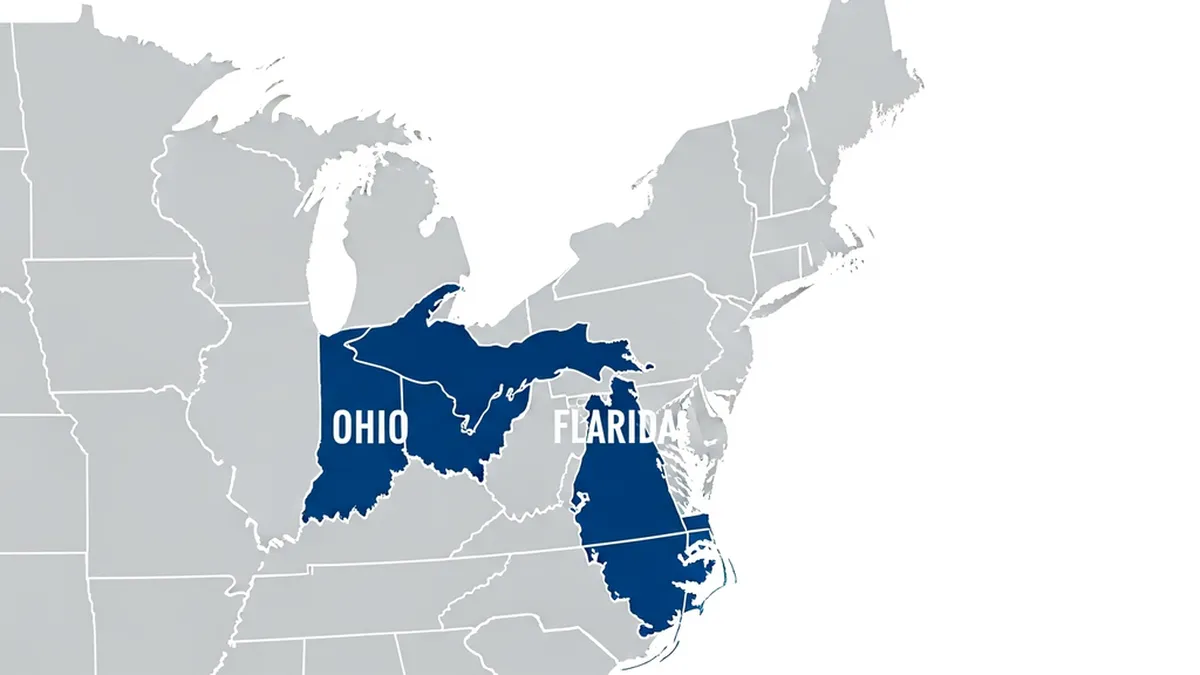
Ohio’s lemon law covers new vehicles within the first 12 months or 18,000 miles. Qualifying triggers include 3 or more repair attempts for the same defect, 8 or more total repair attempts, or 30 or more cumulative days out of service.
Florida’s lemon law is one of the strongest in the country. It covers new vehicles within the first 24 months. Florida requires 3 repair attempts for the same nonconformity, or 30 or more cumulative days out of service.
Michigan’s lemon law applies to new vehicles during the earlier of the warranty term or 1 year from delivery. Qualifying thresholds include 4 or more repair attempts for the same defect, or 30 or more cumulative days out of service.
North Carolina’s lemon law covers new vehicles within 24 months or 24,000 miles. The state requires 4 or more repair attempts for the same defect, or 20 or more cumulative business days out of service during any 12-month period.
Pennsylvania’s lemon law protects consumers during the first 12,000 miles or the warranty period. Qualifying triggers include 3 or more repair attempts for the same defect, or 30 or more calendar days out of service. Pennsylvania’s short coverage window makes it important to act quickly.
Each state has different procedural requirements, from written notice to arbitration. That is one of the key reasons working with a lemon law attorney who handles multi-state cases makes a real difference.
What happens if your Dodge or Ram falls outside your state’s lemon law window? Maybe your truck has higher mileage, or you bought a certified pre-owned (CPO) vehicle. This is where the Magnuson-Moss Warranty Act becomes critical.
The Magnuson-Moss Warranty Act is a federal consumer protection law that applies to any product sold with a written warranty. For Dodge and Ram owners, this means:
This is particularly relevant for Dodge and Ram owners because defects like the ZF 8-speed transmission issues can persist well beyond the state lemon law window. If your Ram 1500 still has transmission problems at 40,000 miles and the powertrain warranty extends to 60,000 miles, the Magnuson-Moss Act provides a path to compensation.
We regularly use the Magnuson-Moss Act alongside state lemon law claims to maximize compensation. Read our detailed guide on the Magnuson-Moss Warranty Act to learn more.
Filing a lemon law claim does not need to be complicated. Here is the process we follow at Kahn & Associates:
Step 1: Document everything. Keep every repair order, service receipt, and communication with the dealership. Write down dates, mileage at each visit, and what the dealer said they did. If the advisor says they “could not replicate the issue,” ask for that in writing.
Step 2: Get a free case evaluation. Contact our team for a no-cost review of your situation. Our 60-Second Lemon Law Assessment™ gives you a quick preliminary answer.
Step 3: We handle the legal work. Once we take your case, we gather manufacturer records, request your complete repair history from Stellantis, and build the strongest possible claim on your behalf. You do not need to negotiate with the dealer or manufacturer yourself.
Step 4: Negotiate or litigate. Most Dodge lemon law cases settle without going to trial. With a very high settlement rate across more than 13,000 cases as of this date, we know how to get results.
Step 5: You get compensated. Once your case resolves, you receive your buyback, replacement, or cash settlement. The manufacturer typically pays our legal fees, so there is no out-of-pocket cost to you.
The entire process is designed to minimize the burden on you. Our job is to take the fight to the manufacturer so you can move on.
Successful Dodge and Ram lemon law claims typically result in one of three outcomes:
You may also be entitled to reimbursement for towing, rental cars, and sales tax paid on the original purchase depending on the state.
In the vast majority of scenarios, the manufacturer is typically responsible for paying your attorney fees and legal costs. This is built into both state lemon laws and the Magnuson-Moss Warranty Act. Our “No Recovery, No Fee” promise means you pay nothing unless we win your case.
You might wonder whether you can handle a lemon law claim on your own. Technically, yes. Practically, working with an experienced lemon law attorney makes a significant difference. Here is why:
Yes. Ram trucks used for personal use, including the Ram 1500, 2500, and 3500, are fully covered by state lemon laws and the federal Magnuson-Moss Warranty Act. Some commercial uses do not qualify. Visit our FAQ page for more answers.
Absolutely. The Dodge Charger is covered by the same consumer protection laws as any other vehicle. Charger owners experiencing transmission hesitation, electrical failures, or engine problems may qualify for a buyback, replacement, or cash settlement.
This is a common tactic. Dealers sometimes claim that hard shifting or infotainment glitches are “normal characteristics.” If the issue substantially impairs your vehicle’s use, value, or safety, it is not normal. Document the dealer’s response in writing and contact us for a professional assessment.
It depends on your state. Florida requires participation in the state-run arbitration program before you can file a lawsuit. Other states, like Ohio, don’t have a state-run program, but may require you to go through an informal arbitration run by a third-party prior to filing. We will guide you through the correct process for your state.
State lemon laws typically apply to new vehicles, but the Magnuson-Moss Warranty Act protects used vehicle buyers if the defect occurred while the manufacturer’s warranty was active. This includes certified pre-owned vehicles. Learn more about how federal lemon law works.
The process can take approximately 60-120 days from demand to resolution, though complex cases and certain manufacturers and other factors may make it take longer. If the case does not settle pre-suit and you have to file a lawsuit, the court process may take six months to a year or more depending on the court. The vast majority of our cases settle without going to trial.
If your Dodge or Ram has been in and out of the shop and the dealer cannot fix it, you may have a lemon law claim worth pursuing. The consultation is free, and if we take your case, you pay nothing unless we win.
Take our free 60-Second Lemon Law Assessment™ to find out if your vehicle qualifies.
Or call us directly at 1-888-536-6671 to speak with our team. We have recovered more than $65 million for consumers with defective vehicles as of the date of this article, and we are ready to fight for you.
*Disclaimer: The information contained in this Website is provided for informational purposes only, and should not be construed as offering legal advice, or creating an attorney client relationship between the reader and the author. While we aim for accuracy, the law is constantly changing and we make no guarantees regarding the completeness or timeliness of the information. You should not act or refrain from acting on the basis of any content included in this Website without seeking appropriate legal advice about your individual facts and circumstances from an attorney licensed in your state.
To see if you qualify, fill out the form below or call us at 1-888-536-6671 – No Office Visit Needed!

I had a great experience with Kahn & Associates! They made the process of dealing with an extremely frustrating lemon situation painless. They have very quick response times and everyone I dealt with was very friendly and helpful. Would definitely recommend!
Kahn and Associates did an awesome job with our lemon law case! We were getting nowhere with VW Customer Service and decided to hire an attorney who specialized with lemon law cases. We couldn’t be happier with the outcome. We were able to get a full refund on our lemon VW Atlas.
What a great experience! I was on the fence about hiring an attorney for my ongoing automotive issues and continued frustration with the manufacturer. It was a very simple process and I am very grateful Kahn and Associates for helping get me a settlement!
Real Honest attorneys!!! They are the real deal! I went back and forth with them and they explained to me every step and my rights under the law! I give them 5 stars because I won!!! Yes and my check is coming to me much sooner than I thought! I was stuck ! I own a brand new car and the dealer was giving me a hard time !

This page has been written, edited, and reviewed by a team of legal writers following our comprehensive editorial guidelines. This page was approved by Attorney Craig A. Kahn, who has more than 20 years of legal experience in lemon law.
Buying a new vehicle should be exciting, not exhausting. But if your new car, truck, or SUV keeps breaking ...
A new vehicle that keeps failing becomes not only an inconvenience but also a financial problem. The paymen...
If your new car keeps breaking down despite multiple trips to the dealership, you may be wondering how to f...

Stuck with a defective car in Ohio? State Lemon Laws protect you. Get a refund, replacement, or cash settlement. Learn your rights today!

Florida Lemon Laws cover new and used vehicles. If your car’s a lemon, you deserve compensation. Let us help you fight for justice!

Michigan’s Lemon Law protects you from faulty vehicles. Don’t settle for endless repairs—claim your refund or replacement now.

North Carolina Lemon Laws ensure defective vehicles are replaced or refunded. Know your rights and take action today!

Pennsylvania Lemon Law covers new cars with repeated issues. Get the compensation you deserve. Click to learn more!
To see if you qualify, fill out the form below or call us at 1-888-536-6671 – No Office Visit Needed!

The Truth About Attorney’s Fees in Lemon Law Cases Learn more
*Disclaimer: The information contained in this Website is provided for informational purposes only, and should not be construed as offering legal advice, or creating an attorney client relationship between the reader and the author. While we aim for accuracy, the law is constantly changing and we make no guarantees regarding the completeness or timeliness of the information. You should not act or refrain from acting on the basis of any content included in this Website without seeking appropriate legal advice about your individual facts and circumstances from an attorney licensed in your state.

 Message Us
  Call Us